
Girl Crazy 1929
"One of the brightest lights in this New Day of the Short Feature is..."
In the vibrant era of the 1920s, short films began to capture the hearts of audiences, and Girl Crazy (1929) is one of the notable gems from that period.
Director: Mack Sennett
Cast
Frequently Asked Questions
What is Girl Crazy (1929) about?
The film tells the story of a rich widower who finds love after rescuing a young woman from drowning, exploring themes of chance and romance.
Who directed Girl Crazy?
Mack Sennett, a renowned filmmaker of the silent era, directed Girl Crazy.
Who stars in Girl Crazy?
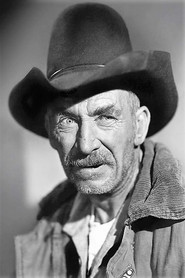
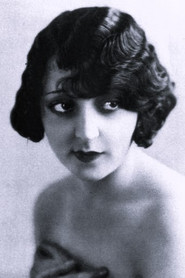
The film features Andy Clyde and Alma Bennett in the main cast.
Is Girl Crazy (1929) worth watching?
While its short runtime and silent era setting may not appeal to all, Girl Crazy is a charming and lighthearted film worth watching for fans of comedy and romance.
How long is Girl Crazy?
Girl Crazy has a runtime of 20 minutes.
About Girl Crazy (1929) — A Lighthearted Comedy of Love and Chance
In the vibrant era of the 1920s, short films began to capture the hearts of audiences, and Girl Crazy (1929) is one of the notable gems from that period. Directed by the renowned Mack Sennett, this 20-minute comedy brings to life the story of a rich widower who finds love after rescuing a young woman from drowning. The film's lighthearted and romantic atmosphere makes it an enjoyable watch for fans of the silent era. With its short and sweet runtime, Girl Crazy is an excellent addition to any film enthusiast's watchlist.
As the silent film era was reaching its peak, filmmakers like Mack Sennett were experimenting with new ways to tell stories. Girl Crazy is a testament to this creative spirit, with its blend of comedy and romance. The film's short length may make it feel like a snack-sized treat, but its impact is undeniable. So, if you're looking for a lighthearted and entertaining film from the 1920s, look no further than Girl Crazy (1929).