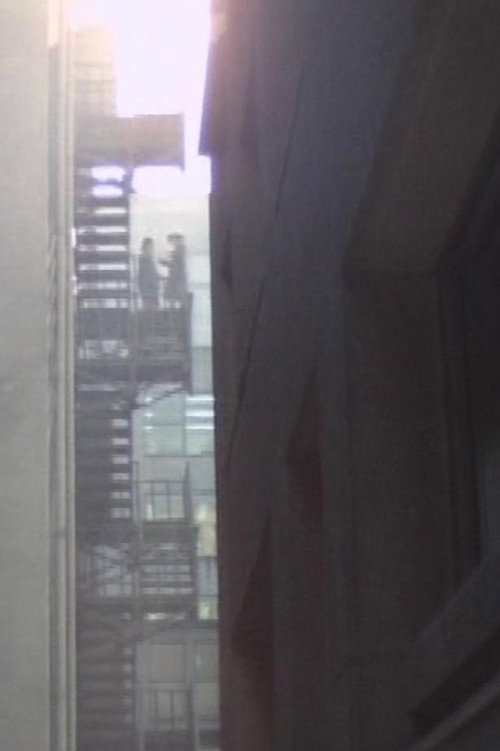
Akebono Skyscraper - Kasumigaseki Skyscraper Part 1 1966
Akebono Skyscraper – Kasumigaseki Skyscraper Part 1 (1966) captures the monumental effort behind Japan's first true skyscraper, the Kasumigaseki Building, as it rose above Tokyo's skyline during a transformative era.
Director: Noriyuki Itaya
Frequently Asked Questions
What is Akebono Skyscraper - Kasumigaseki Skyscraper Part 1 (1966) about?
This short documentary chronicles the construction of Japan's first skyscraper, the Kasumigaseki Building, highlighting the challenges, safety measures, and engineering behind its 1960s rise. It's a historical record of a city transforming through steel and ambition.
Who directed Akebono Skyscraper - Kasumigaseki Skyscraper Part 1?
The film was directed by Noriyuki Itaya, known for his work in Japanese documentary cinema, capturing pivotal moments in the nation's architectural evolution.
Who stars in Akebono Skyscraper - Kasumigaseki Skyscraper Part 1?
Director information is not available.
Is Akebono Skyscraper - Kasumigaseki Skyscraper Part 1 (1966) worth watching?
As a concise historical document, it's a fascinating watch for anyone interested in mid-century architecture or industrial progress. While short and unrated, its cultural significance as a record of Japan's first skyscraper lends it undeniable value beyond mere entertainment.
How long is Akebono Skyscraper - Kasumigaseki Skyscraper Part 1?
The runtime is 27 minutes.
About Akebono Skyscraper – Kasumigaseki Skyscraper Part 1 (1966) — Japan's Groundbreaking 1960s Skyscraper Documentary
Akebono Skyscraper – Kasumigaseki Skyscraper Part 1 (1966) captures the monumental effort behind Japan's first true skyscraper, the Kasumigaseki Building, as it rose above Tokyo's skyline during a transformative era. Directed by Noriyuki Itaya, this short documentary immerses viewers in the meticulous planning, engineering feats, and safety protocols that made the tower a landmark of post-war ambition. The film blends stark industrial imagery with a sense of progress, documenting cranes piercing the clouds and workers navigating dizzying heights against the backdrop of a changing city. Beyond construction, it reflects the societal shift toward modernity, where steel and glass redefined urban identity.
Though brief at just 27 minutes, the documentary offers a rare time-capsule glimpse into 1960s Japan, where innovation met tradition. With no actors to spotlight, the real stars are the architects and laborers whose collaboration shaped a skyline—and a nation's future. For history buffs and architecture enthusiasts, this film is a concise yet powerful testament to human ingenuity and the indelible mark left by one of Japan's most iconic structures.