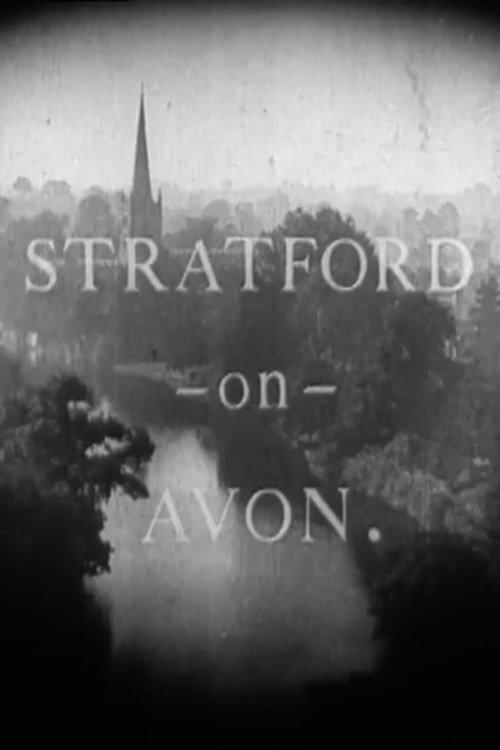
Stratford-on-Avon 1925
Step back to the roaring twenties with Cecil M. Hepworth's silent cinematic love letter to Shakespeare's hometown, Stratford-on-Avon (1925).
Director: Cecil M. Hepworth
Frequently Asked Questions
What is Stratford-on-Avon (1925) about?
This 12-minute silent documentary from 1925 captures the idyllic streets, half-timbered houses, and riverbanks of Shakespeare's hometown in the 1920s. It's less a narrative story and more a poetic visual essay celebrating Stratford-on-Avon's enduring medieval charm and tranquil beauty.
Who directed Stratford-on-Avon?
The film was directed by Cecil M. Hepworth, a pioneering figure in British cinema known for his innovative work in the silent era.
Who stars in Stratford-on-Avon?
Cast details for Stratford-on-Avon (1925) are not listed, as it is a documentary without credited actors.
Is Stratford-on-Avon (1925) worth watching?
While it clocks in at just 12 minutes, Stratford-on-Avon offers a rare historical glimpse into a beautifully preserved English town through the lens of a silent-era master. It's a niche but rewarding watch for lovers of early film and Shakespearean heritage.
How long is Stratford-on-Avon?
Stratford-on-Avon (1925) runs for 12 minutes.
About Stratford-on-Avon (1925) — A silent-era time capsule of Shakespeare's birthplace by Cecil Hepworth
Step back to the roaring twenties with Cecil M. Hepworth's silent cinematic love letter to Shakespeare's hometown, Stratford-on-Avon (1925). This 12-minute documentary isn't just a travelogue—it's a time capsule wrapped in soft sepia tones, capturing the timber-framed cottages, cobbled streets, and tranquil Avon riverbanks that still echo with the wit of the Bard. Hepworth, a pioneer of British filmmaking, frames the town's medieval charm through his camera lens, turning everyday moments into nostalgic vignettes that linger like the scent of woodsmoke over the river. The film lingers on the half-timbered houses leaning over narrow lanes, the quiet dignity of the market square, and the gentle flow of the river that once carried Shakespeare's words downstream.
This isn't a story with a plot, but a mood—a poetic snapshot of a place caught between centuries, where history breathes in every stone. The documentary genre here becomes a vessel for atmosphere: the clip-clop of hooves on cobblestones, the murmur of locals, and the timeless allure of a town that shaped one of literature's greatest minds. Whether you're a Shakespeare enthusiast, a history buff, or simply a lover of cinematic poetry, Stratford-on-Avon (1925) offers a rare glimpse into a bygone era through the eyes of one of cinema's early visionaries.