We 1980
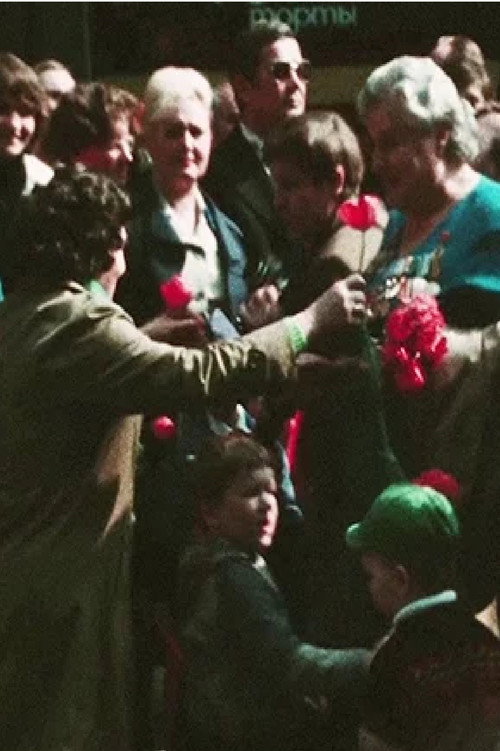
Directed by Artūras Barysas, *We (1980)* offers a stark, unflinching glimpse into a Soviet Victory Day parade in 1980. The film captures the weight of propaganda as veterans in medal-laden suits march beneath a sea of red flags, laying wreaths at Soviet monuments.
Director: Artūras Barysas
Cast
Frequently Asked Questions
What is *We (1980)* about?
*We (1980)* documents a Soviet Victory Day parade on May 9th, 1980, exposing the hollow grandeur of state propaganda. Through stark visuals and deliberate pacing, it contrasts the forced celebration with the underlying conformity of the era. The film is as much about silence as it is about spectacle.
Who directed *We*?
*We (1980)* was directed by Artūras Barysas, a filmmaker whose work often challenged Soviet norms. His uncompromising vision led to his suspension for a year after the film's release.
Who stars in *We*?
The film stars veterans and participants of the 1980 Victory Day parade in Lithuania, alongside Artūras Barysas himself behind the camera.
Is *We (1980)* worth watching?
At just 9 minutes, *We (1980)* punches far above its weight as a historical and political artifact. Its stark portrayal of Soviet propaganda makes it a compelling watch for fans of documentary filmmaking and 20th-century history.
How long is *We*?
*We (1980)* runs for 9 minutes.
About We (1980) — Artūras Barysas' Bold Documentary on Victory Day
Directed by Artūras Barysas, *We (1980)* offers a stark, unflinching glimpse into a Soviet Victory Day parade in 1980. The film captures the weight of propaganda as veterans in medal-laden suits march beneath a sea of red flags, laying wreaths at Soviet monuments. Eschewing traditional glorification, Barysas frames the spectacle with a quiet defiance, stripping away the usual pomp to reveal the hollow ritual beneath. The 9-minute documentary brims with atmosphere, its deliberate pacing mirroring the oppressive conformity of the era. Shot on May 9th—a date steeped in Soviet reverence—this provocative work became a rare act of cinematic rebellion, costing its director a year-long suspension for daring to question the narrative.
As a documentary, *We (1980)* stands apart for its subversive clarity. Barysas' lens lingers on the contradictions of the event: the forced joy, the unspoken grief, and the weight of history pressing down on every participant. It's less a celebration and more a meditation on collective memory, where the camera's gaze feels like an accusation. For fans of political cinema or Soviet-era history, this short film is a compelling, if unsettling, artifact of its time.