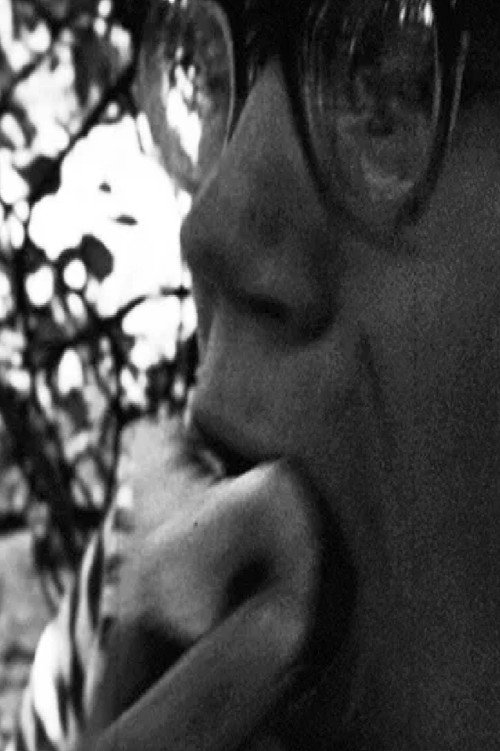
Salt & Apples 1971
Dive into the cryptic and poetic world of *Salt & Apples (1971)*, a short but striking drama directed by the enigmatic Artūras Barysas.
Director: Artūras Barysas
Frequently Asked Questions
What is Salt & Apples (1971) about?
*Salt & Apples* is a brief but intense exploration of temptation and the thrill of breaking rules, told through a surreal and atmospheric lens. The title hints at duality—salt as preservation and apples as temptation—while the story unfolds as a poetic meditation on the thrill of the forbidden.
Who directed Salt & Apples?
Artūras Barysas directed *Salt & Apples (1971)*, a film that showcases his knack for blending experimental storytelling with raw visual impact.
Who stars in Salt & Apples?
The cast of *Salt & Apples* is not publicly documented, leaving the focus entirely on the director's vision and the film's haunting atmosphere.
Is Salt & Apples (1971) worth watching?
If you're a fan of avant-garde cinema or curious about 1970s experimental shorts, *Salt & Apples* is absolutely worth a watch. Its brevity belies its ambition, offering a tantalizing glimpse into the mind of a director unafraid to push boundaries.
How long is Salt & Apples?
*Salt & Apples* has a runtime of 3 minutes.
About Salt & Apples (1971) — A 3-Minute Drama of Forbidden Fruit and Cinematic Experimentation
Dive into the cryptic and poetic world of *Salt & Apples (1971)*, a short but striking drama directed by the enigmatic Artūras Barysas. Clocking in at just three minutes, this experimental film unfolds like a whispered secret, exploring the tension between desire and prohibition through the simple yet loaded act of forbidden fruit. The atmosphere is dreamlike yet deliberate, blending surreal imagery with a palpable sense of yearning, as if the screen itself is humming with unspoken rules and silent rebellion.
Set against the backdrop of 1970s cinematic experimentation, *Salt & Apples* uses its minimal runtime to deliver a bold statement about the allure of the forbidden. Though the cast remains a mystery, Barysas' direction leaves a lasting impression, weaving themes of temptation and consequence into a compact visual poem. Whether you're drawn by its enigmatic title or its reputation as a cult curio, this short film lingers in the mind long after the credits roll.