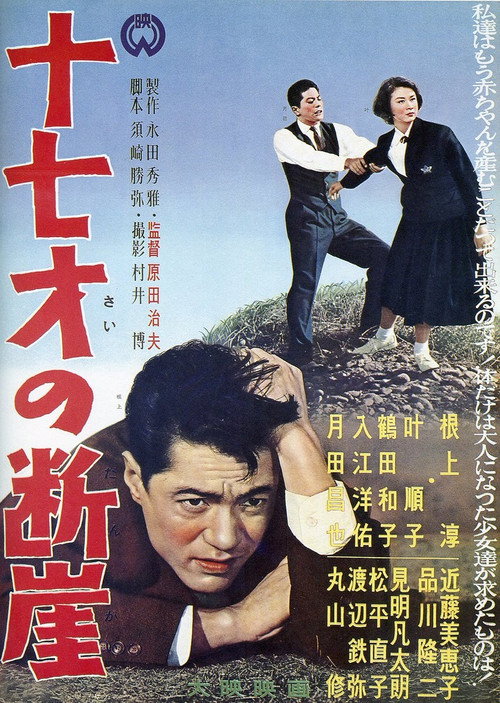
Jū nana-sai no dangai 1957
Discover *Jū nana-sai no dangai* (1957), a concise yet powerful Japanese film directed by Haruo Harada that captures the struggles of youth with raw authenticity.
Director: Haruo Harada
Cast

Frequently Asked Questions
What is Jū nana-sai no dangai (1957) about?
The film explores the lives of teenagers in 1950s Japan, focusing on their personal challenges, relationships, and the search for meaning amid societal changes. It's a poignant portrait of adolescence, delivered with emotional honesty.
Who directed Jū nana-sai no dangai?
Haruo Harada directed this 1957 Japanese drama, bringing a delicate touch to the film's exploration of youth and transition.
Who stars in Jū nana-sai no dangai?
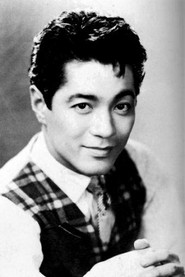
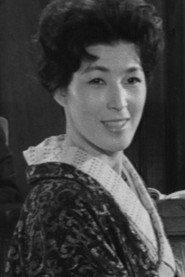
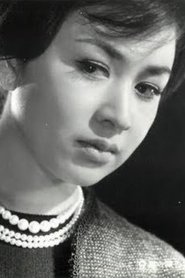
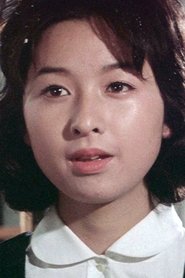
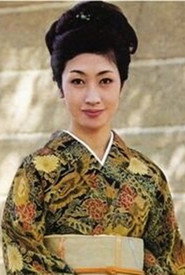
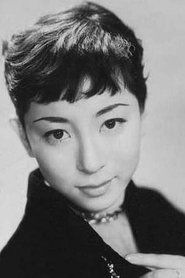
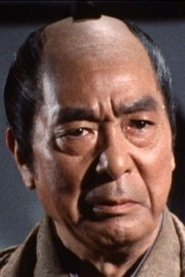
The cast features Jun Negami, Tsuneko Sudō, Junko Kano, Michiko Takano, and Yoko Hayama, each delivering memorable performances as part of the film's ensemble.
Is Jū nana-sai no dangai (1957) worth watching?
While it lacks a formal rating, the film's tight 80-minute runtime and compelling themes make it a hidden gem for fans of classic Japanese cinema. Its emotional depth and authenticity offer a rewarding experience for patient viewers.
How long is Jū nana-sai no dangai?
The film runs for 80 minutes, offering a concise yet impactful narrative.
About Jū nana-sai no dangai (1957) — A Glimpse into Adolescence in Post-War Japan
Discover *Jū nana-sai no dangai* (1957), a concise yet powerful Japanese film directed by Haruo Harada that captures the struggles of youth with raw authenticity. Set against the backdrop of post-war Japan, the story follows a group of teenagers navigating identity, societal pressures, and the complexities of growing up.
With a runtime of just 80 minutes, the film immerses viewers in a world of emotional depth and quiet intensity, where relationships are tested and dreams collide with reality. Jun Negami leads the cast with a compelling performance, supported by Tsuneko Sudō, Junko Kano, and Michiko Takano, each bringing their characters to life with nuance. Though the exact genre remains unspecified, the narrative's intimate focus on adolescence gives it a timeless quality, resonating with anyone who recalls the turbulence of their own formative years.