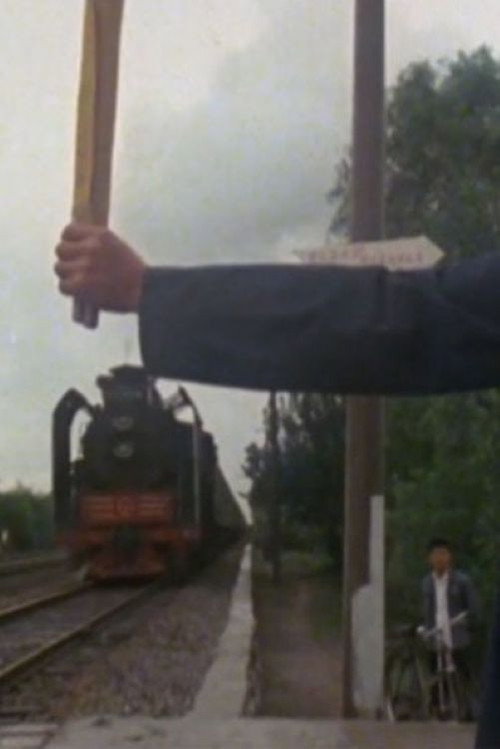
Gui Daò - Sur la voie - Une gare sur le Yangzi 1980
Step into the bustling heart of 1980s China with *Gui Daò - Sur la voie - Une gare sur le Yangzi (1980)*, a captivating documentary by director Georges Dufaux that unfolds at a modest railway station along the mighty Yangzi River.
Director: Georges Dufaux
Frequently Asked Questions
What is *Gui Daò - Sur la voie - Une gare sur le Yangzi* (1980) about?
This 59-minute documentary immerses viewers in the daily life of a quiet Chinese railway station, exploring the cultural values of order, patience, and community through the people who pass through. It's less about trains and more about the shared humanity of strangers waiting together.
Who directed *Gui Daò - Sur la voie - Une gare sur le Yangzi*?
Georges Dufaux, a filmmaker whose observational style brings out the emotional depth in everyday settings.
Who stars in *Gui Daò - Sur la voie - Une gare sur le Yangzi*?
Director information is not available.
Is *Gui Daò - Sur la voie - Une gare sur le Yangzi* (1980) worth watching?
For documentary enthusiasts and those curious about 1980s Chinese society, this short film offers a rare, intimate window into cultural perspectives. While unrated on IMDb, its themes of connection and curiosity give it lasting relevance beyond its runtime.
How long is *Gui Daò - Sur la voie - Une gare sur le Yangzi*?
The film runs for 59 minutes.
Gui Daò - Sur la voie - Une gare sur le Yangzi (1980): A Glimpse into Chinese Life Through a Railway Lens
Step into the bustling heart of 1980s China with *Gui Daò - Sur la voie - Une gare sur le Yangzi (1980)*, a captivating documentary by director Georges Dufaux that unfolds at a modest railway station along the mighty Yangzi River. Through patient observation and quiet curiosity, the film peels back the layers of everyday life, revealing the warmth, order, and humanity of its Chinese subjects. Their collective patience and shared sense of community paint a portrait far richer than the sum of its parts, blending subtle astonishment with deep empathy. The camera lingers on faces lit by flickering lanterns and voices carried over the station's announcements, capturing moments of humor and spontaneity that bridge cultural divides.
Director Dufaux masterfully transforms a routine transit hub into a stage for universal human stories, where the rhythm of trains mirrors the pulse of human connection. As questions arise—about the symbolism of the "moving red flag," the quiet rituals of waiting, and the quiet dignity of strangers—viewers find themselves drawn into a world where curiosity and compassion unfold in equal measure. This isn't just a documentary about a place; it's an invitation to see the extraordinary in the ordinary.