
凤凰谷 2016
凤凰谷 (2016) transports viewers into the heart of Chinese cinema with a story that blends tradition and modernity against breathtaking landscapes.
Cast
Frequently Asked Questions
What is 凤凰谷 (2016) about?
凤凰谷 (2016) weaves a story of cultural rediscovery set against the backdrop of China's evolving landscapes. The film follows a journey of personal and historical significance, where the protagonist confronts both external challenges and inner reflections in a quest for meaning.
Who directed 凤凰谷?
Director information is not available.
Who stars in 凤凰谷?
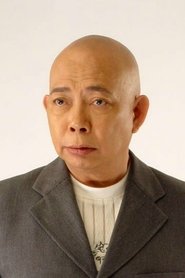
凤凰谷 (2016) features Wong Yat-Fei in the lead role, delivering a performance that anchors the film's emotional core.
Is 凤凰谷 (2016) worth watching?
凤凰谷 (2016) offers a visually striking and thematically rich experience, though its unrated status leaves room for varied expectations. Fans of nuanced storytelling and cultural depth will likely find it rewarding, especially for its atmospheric execution of Chinese themes.
How long is 凤凰谷?
Runtime details are not listed.
凤凰谷 (2016): A Cinematic Journey Through Myth and Modernity — Full Movie Info
凤凰谷 (2016) transports viewers into the heart of Chinese cinema with a story that blends tradition and modernity against breathtaking landscapes. This 2016 Chinese film, headlined by Wong Yat-Fei, explores the depths of cultural heritage while weaving a narrative that resonates with universal emotions. The film's atmosphere is rich with symbolism, evoking the mythical allure of the Phoenix Valley—a setting that feels both ancient and alive. As the protagonist navigates personal and historical challenges, the story unfolds with a rhythm that balances quiet introspection with moments of dramatic intensity.
Wong Yat-Fei's performance anchors the film, offering a layered portrayal that captures the essence of resilience and transformation. While the genre remains unspecified, the film's visual storytelling and thematic depth suggest a work that transcends conventional boundaries. 凤凰谷 (2016) is a cinematic journey that invites audiences to reflect on the past while embracing the present, making it a standout entry in contemporary Chinese filmmaking.