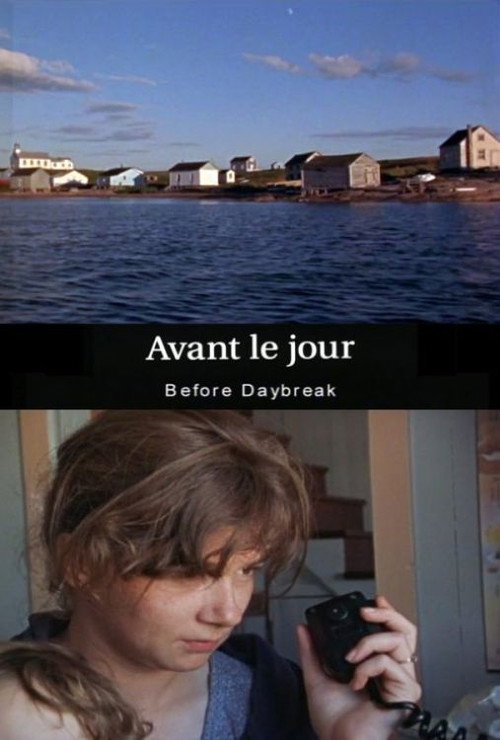
Avant le jour 2000
Dive into the quiet beauty of coastal life with *Avant le jour* (2000), Lucie Lambert's contemplative documentary that captures the rhythms of existence on the rugged shores of Providence Island.
Director: Lucie Lambert
Frequently Asked Questions
What is *Avant le jour* (2000) about?
This documentary traces the lives of four individuals in remote coastal communities, where tradition clashes with modernity. It's a poetic exploration of resilience, home, and the quiet heroism of everyday existence.
Who directed *Avant le jour*?
Lucie Lambert directed this deeply personal documentary, crafting a visually rich portrait of island life.
Who stars in *Avant le jour*?
The film stars Florence, Simonne, Mireille, and Gédéon—four individuals whose lives and stories shape the documentary's heart.
Is *Avant le jour* (2000) worth watching?
While not widely rated, this understated documentary offers a unique glimpse into coastal culture and the human spirit. It's a niche gem for fans of slow, observational filmmaking.
How long is *Avant le jour*?
The runtime of *Avant le jour* is 93 minutes.
About Avant le jour (2000) — A meditative look at coastal survival and tradition
Dive into the quiet beauty of coastal life with *Avant le jour* (2000), Lucie Lambert's contemplative documentary that captures the rhythms of existence on the rugged shores of Providence Island. Through intimate portraits of Florence, Simonne, Mireille, and Gédéon, the film weaves a tapestry of resilience and tradition, where the land shapes identity and survival. Lambert's lens lingers on the everyday rituals—fishing, storytelling, opening homes to strangers—that define these communities, painting a world where time slows and meaning is found in the simplest gestures. The 93-minute journey unfolds like a meditative breeze, blending raw authenticity with poetic stillness.
Set against a backdrop of economic hardship and environmental change, *Avant le jour* explores the unspoken bonds between people and place. Florence clings to her ancestral home, Mireille refuses to abandon her village despite dwindling opportunities, and Gédéon's weathered wisdom offers a lens on the cycles of nature. Lambert's documentary feels less like a film and more like a shared breath—a tribute to those who endure, adapt, and find grace in the margins of modern life.