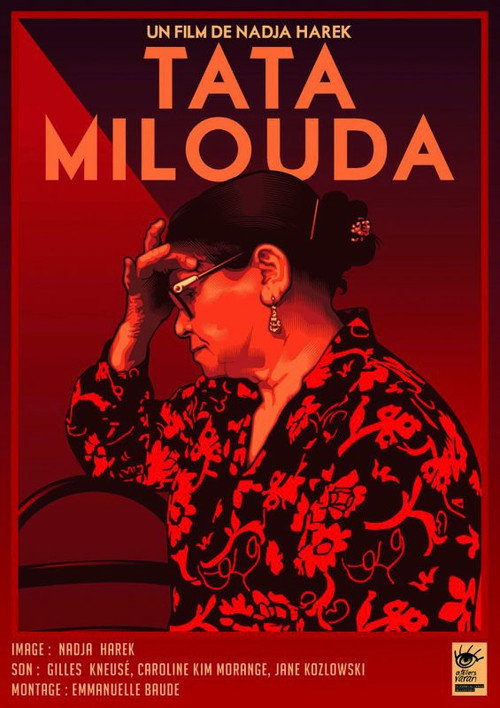
Tata Milouda 2017
Tata Milouda (2017) is a poignant short film directed by Nadja Harek that chronicles an extraordinary journey of resilience against all odds.
Director: Nadja Harek
Frequently Asked Questions
What is Tata Milouda (2017) about?
Tata Milouda (2017) tells the real-life story of a Moroccan woman who moves to France in 1989 to escape an oppressive marriage. Separated from her children and living as an undocumented worker, she overcomes immense hardships by embracing education and creative expression, ultimately reclaiming her life through slam poetry.
Who directed Tata Milouda?
Tata Milouda was directed by Nadja Harek, a filmmaker known for her sensitive and socially conscious storytelling.
Who stars in Tata Milouda?
Director Nadja Harek focuses on Tata Milouda's personal journey, with the film primarily centered on her real-life experiences and transformation.
Is Tata Milouda (2017) worth watching?
While Tata Milouda is a short film without an IMDb rating, its deeply moving narrative and themes of resilience make it a compelling watch. The film offers a rare, intimate look at migration, identity, and the healing power of art, making it a hidden gem worth discovering.
How long is Tata Milouda?
Tata Milouda has a runtime of 32 minutes.
About Tata Milouda (2017) — A Powerful Story of Resilience and Reinvention
Tata Milouda (2017) is a poignant short film directed by Nadja Harek that chronicles an extraordinary journey of resilience against all odds. The story follows a Moroccan woman who arrives in France in 1989, fleeing a stifling marriage and a life dictated by her controlling husband. Stripped of her rights, separated from her six children, and undocumented, she faces unimaginable challenges while working in exploitative conditions. Yet, in the face of adversity, she finds a glimmer of hope through literacy classes and creative expression, eventually discovering her voice through slam poetry and drama. The film paints a moving portrait of empowerment, cultural displacement, and the indomitable human spirit.
Set against the backdrop of Épinay-sur-Seine, the narrative unfolds with raw authenticity, blending personal struggle with the beauty of newfound freedom. From her balcony, Tata Milouda's view of the Eiffel Tower becomes a symbol of her hard-won liberty—a stark contrast to the shadows of her past. The short film, steeped in themes of migration, identity, and self-reinvention, resonates as both a testament to individual courage and a celebration of the transformative power of art.