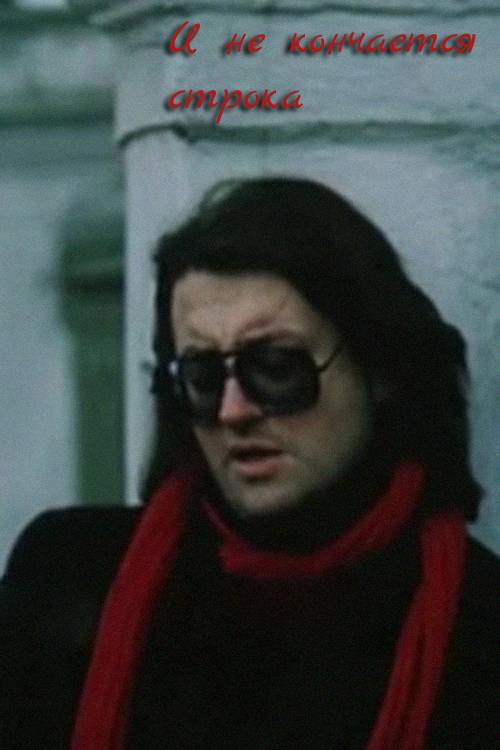
And the Line Doesn't End 1989
Dive into the cultural heartbeat of late-80s Russia with *And the Line Doesn't End (1989)*, a 28-minute cinematic tribute to the nation's artistic soul.
Director: Nikolai Obukhovich
Cast
Frequently Asked Questions
What is And the Line Doesn't End (1989) about?
This short film explores the evolution of Russian culture through the lens of music and poetry. It centers on Alexander Gradsky's suite *Nostalgia*, set to Vladimir Nabokov's poems, creating a meditative reflection on nostalgia and tradition.
Who directed And the Line Doesn't End?
The film was directed by Nikolai Obukhovich, an artist known for his work that bridges visual and musical storytelling.
Who stars in And the Line Doesn't End?
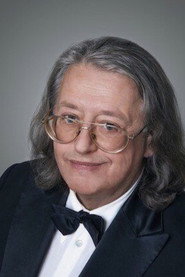
The film features Alexander Gradsky, the legendary Russian musician and vocalist, as the focal point of its musical narrative.
Is And the Line Doesn't End (1989) worth watching?
While short in duration, this film offers a unique blend of music and poetry that appeals to fans of classical Russian art. Its atmospheric tone and cultural significance make it a worthwhile watch for niche audiences, even if it's not widely known today.
How long is And the Line Doesn't End?
The film has a runtime of 28 minutes.
About And the Line Doesn't End (1989) — The Short Film That Blends Music and Russian Culture
Dive into the cultural heartbeat of late-80s Russia with *And the Line Doesn't End (1989)*, a 28-minute cinematic tribute to the nation's artistic soul. Directed by Nikolai Obukhovich, this short film weaves together music and poetry to paint a vivid portrait of Russia's evolving cultural landscape. At its core is Alexander Gradsky's haunting suite "Nostalgia," set to the evocative verses of Vladimir Nabokov, creating an atmosphere that lingers long after the credits roll. The film's blend of melancholy and reflection captures the essence of a time when tradition and modernity collided, making it a unique gem for lovers of music-driven cinema.
Though brief in runtime, *And the Line Doesn't End* packs emotional depth, using Gradsky's powerful vocals and Nabokov's poetic imagery to explore themes of yearning and cultural identity. The result is a hypnotic, almost hypnotic experience that feels like a lyrical journey through Russia's past and present. Whether you're a fan of classical compositions or curious about cinematic tributes to culture, this short film offers a compelling snapshot of an era defined by artistic passion.