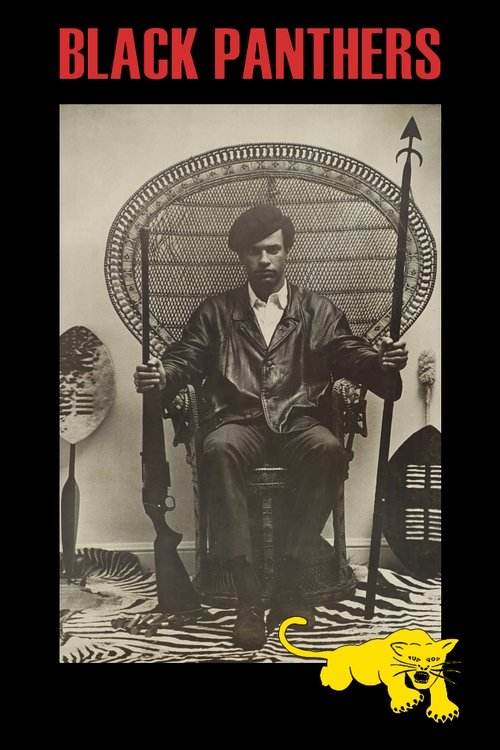
Black Panthers 1968
"Black is beautiful! We want to free Huey Newton!"
Agnès Varda's *Black Panthers (1968)* captures the raw energy and urgency of a pivotal moment in American history, shot against the backdrop of Oakland, California, during the summer of 1968.
Director: Agnès Varda
Cast
Frequently Asked Questions
What is Black Panthers (1968) about?
This documentary follows the Black Panther Party's efforts to free Huey Newton, their jailed leader, during the summer of 1968. It transforms his trial into a platform for political debate, showcasing the party's resolve and the broader struggle for Black liberation.
Who directed Black Panthers?
Agnès Varda, the legendary French filmmaker known for her humanist and politically engaged documentaries, directed *Black Panthers*.
Who stars in Black Panthers?
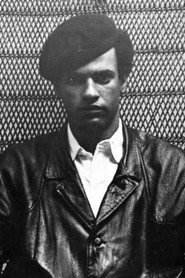
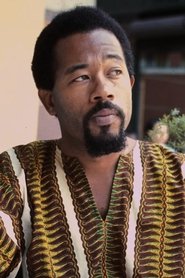
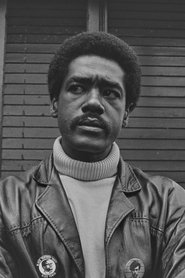
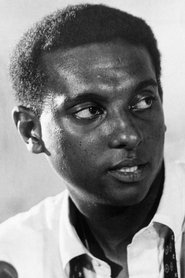
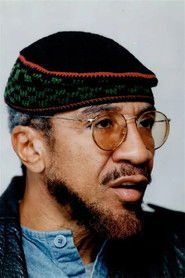
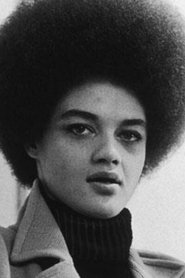
The film features key figures like Huey P. Newton, Eldridge Cleaver, Bobby Seale, Kwame Ture, and Ron Dellums, alongside James Forman.
Is Black Panthers (1968) worth watching?
Despite its short runtime, *Black Panthers (1968)* packs a powerful punch. As a documentary rooted in historical activism, it offers a raw, unfiltered look at a movement that shaped modern social justice efforts. It's a must-see for history buffs and documentary fans alike.
How long is Black Panthers?
The film runs for 28 minutes.
About Black Panthers (1968) — Agnès Varda's electrifying documentary of 1968's Black Panther rallies
Agnès Varda's *Black Panthers (1968)* captures the raw energy and urgency of a pivotal moment in American history, shot against the backdrop of Oakland, California, during the summer of 1968. The film documents the passionate meetings organized by the Black Panther Party as they rallied to free Huey Newton, their imprisoned leader, turning his trial into a deliberate act of political defiance. Varda's lens immerses viewers in the charged atmosphere of these gatherings, where activists like Eldridge Cleaver and Bobby Seale articulate their vision for Black liberation and social justice. With its unflinching focus on the movement's ideals and conflicts, the documentary becomes more than a record—it's a call to action, capturing the revolutionary spirit of an era defined by resistance and hope.
This 28-minute documentary isn't just a historical artifact; it's a testament to the power of collective voice and the enduring legacy of the Black Panthers. Varda's cinematic approach blends observational realism with a sense of immediacy, making the struggles and triumphs of the party feel vividly alive. Themes of justice, solidarity, and the fight against systemic oppression resonate throughout, while the film's tone oscillates between defiant and hopeful—a reflection of the movement's duality. For anyone exploring the roots of modern activism or the cinematic portrayal of social change, *Black Panthers (1968)* offers a gripping, thought-provoking glimpse into a defining chapter of American history.