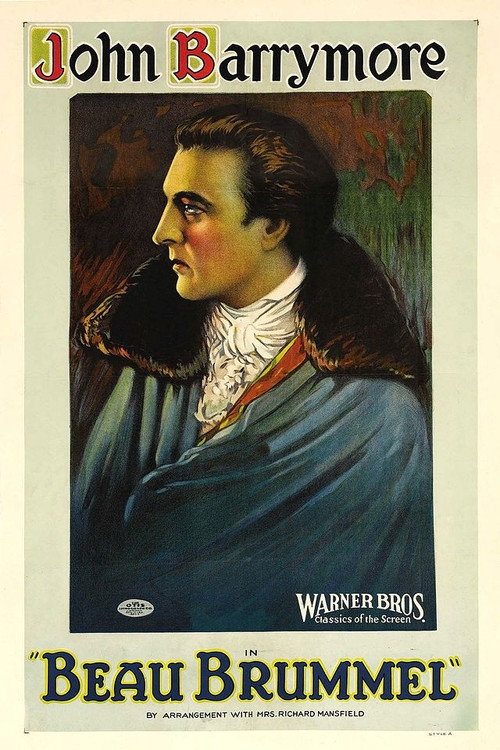
Beau Brummel 1924
"...the Most Beautiful Romance in all History"
Dive into the lavish world of *Beau Brummel (1924)*, a silent-era drama directed by the skilled Harry Beaumont, where love clashes with duty in the glittering corridors of British high society.
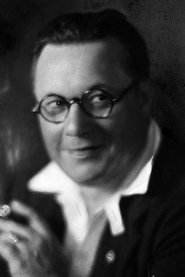
Director: Harry Beaumont
Cast


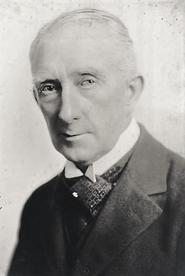
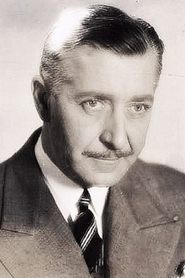
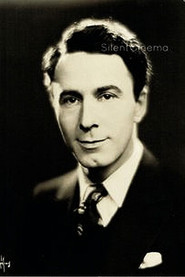
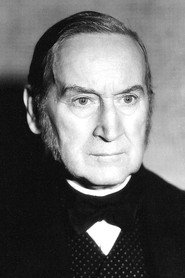
Frequently Asked Questions
What is Beau Brummel (1924) about?
*Beau Brummel (1924)* follows the tragic romance between the charismatic British officer George Bryan Brummel and Lady Margery, whose love is doomed by family obligations. Despite her feelings, she marries another man, driving Brummel into a life of dissipation and rebellion against the very society that betrayed his heart.
Who directed Beau Brummel?
Harry Beaumont directed *Beau Brummel*, a silent-era filmmaker known for his ability to blend drama with visual storytelling.
Who stars in Beau Brummel?
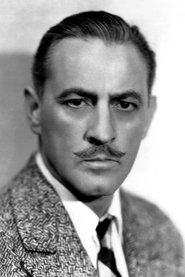
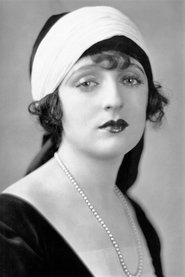
The film stars John Barrymore as Beau Brummel, with Mary Astor as Lady Margery, and features standout performances from Willard Louis, Carmel Myers, and Irene Rich.
Is Beau Brummel (1924) worth watching?
While *Beau Brummel* lacks an IMDb rating, its historical significance as a silent-era drama, combined with Barrymore's magnetic performance and Beaumont's direction, makes it a compelling watch for fans of period films and tragic romances. Its themes of love versus duty resonate just as powerfully today.
How long is Beau Brummel?
The film runs for 127 minutes, offering a substantial yet immersive journey into its Regency-era drama.
About Beau Brummel (1924) — A Silent Classic of Love, Duty, and Regency Elegance
Dive into the lavish world of *Beau Brummel (1924)*, a silent-era drama directed by the skilled Harry Beaumont, where love clashes with duty in the glittering corridors of British high society. John Barrymore delivers a tour-de-force performance as George Bryan Brummel, the dashing military officer whose heart is captured by Lady Margery (played by the radiant Mary Astor). Bound by societal expectations, Margery is compelled to marry Lord Alvanley, leaving Brummel shattered and abandoning himself to a life of reckless excess. The film masterfully explores the bittersweet tension between personal passion and the rigid constraints of class, all draped in the opulent aesthetic of 19th-century England.
Atmosphere drips from every frame, blending aristocratic elegance with the ache of unfulfilled romance. The story unfolds with a melancholic grandeur, questioning whether true love can ever triumph over the expectations of wealth and tradition. With its sweeping visuals and emotional depth, *Beau Brummel (1924)* remains a poignant reminder of how the past's constraints can shape—and sometimes shatter—destinies.