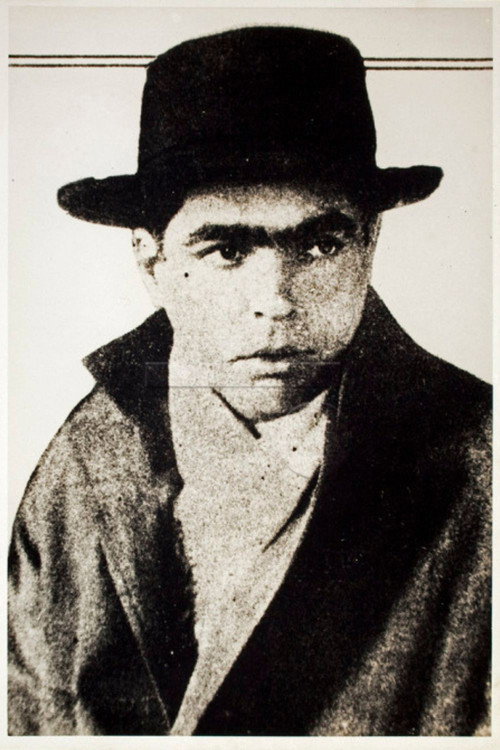
Valadião, o Cratera 1925
In 1925, Brazilian cinema took a bold step with *Valadião, o Cratera*, a fleeting yet groundbreaking adventure film that blends cowboy spirit with national flair.
Director: Humberto Mauro
Cast

Frequently Asked Questions
What is *Valadião, o Cratera* (1925) about?
This silent adventure short follows a rugged protagonist, Valadião, as he embarks on a thrilling journey through Brazil's untamed frontier. Inspired by American Westerns, the film captures the spirit of exploration and danger in a uniquely Brazilian setting.
Who directed *Valadião, o Cratera*?
Humberto Mauro, a pioneer of Brazilian cinema, directed *Valadião, o Cratera*. Known for his innovative storytelling, Mauro helped shape the country's early film industry with bold visuals and compelling narratives.
Who stars in *Valadião, o Cratera*?
The film features Eva Nil in the lead role, bringing charisma and intensity to the adventurous tale.
Is *Valadião, o Cratera* (1925) worth watching?
While its runtime is brief, *Valadião, o Cratera* offers a fascinating look at early Brazilian cinema and its Western influences. For silent-film enthusiasts or those exploring the roots of national cinema, it's a historical curiosity worth discovering.
How long is *Valadião, o Cratera*?
The film runs for 5 minutes, making it a quick yet impactful viewing experience.
About Valadião, o Cratera (1925) — The Forgotten Gem of Early Brazilian Westerns
In 1925, Brazilian cinema took a bold step with *Valadião, o Cratera*, a fleeting yet groundbreaking adventure film that blends cowboy spirit with national flair. Directed by the visionary Humberto Mauro, this five-minute silent short draws inspiration from American Westerns, weaving a tale of daring escapades under the Brazilian sun. Eva Nil shines in the lead role, embodying the grit and charm of a frontier spirit navigating uncharted territories. The film's raw energy and Mauro's cinematic ingenuity capture a bygone era, where myth and reality collide in a burst of cinematic magic.
Though brief, *Valadião, o Cratera (1925)* stands as a testament to early Brazilian filmmaking, where ambition outpaced resources and creativity triumphed over limitations. Its adventurous tone and dynamic pacing transport viewers to a dusty, sun-scorched landscape, where every frame feels charged with possibility. For fans of silent-era cinema or those curious about the roots of Brazilian film, this short offers a glimpse into a pivotal moment when local stories began to take center stage.