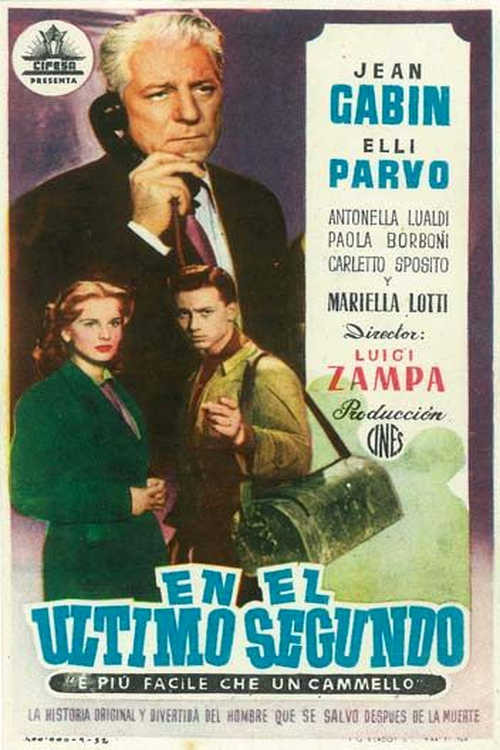
Twelve Hours to Live 1950
French cinema legend Jean Gabin stars as Carlo Bacchi, a ruthless shoe tycoon who meets a sudden end in a tragic car accident—only to find himself facing eternal damnation in the afterlife.
Director: Luigi Zampa
Cast





Frequently Asked Questions
What is Twelve Hours to Live (1950) about?
The film follows wealthy shoe industrialist Carlo Bacchi, who dies in a car crash and is sent to hell for his past cruelties. Granted a brief reprieve, he returns to Earth for just twelve hours to right his wrongs and prevent another man's suicide attempt.
Who directed Twelve Hours to Live?
Luigi Zampa, an accomplished Italian filmmaker known for blending social commentary with dramatic storytelling, directed Twelve Hours to Live.
Who stars in Twelve Hours to Live?
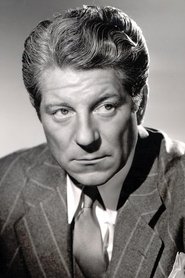
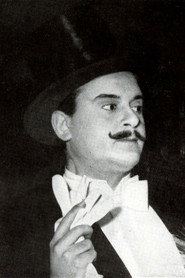
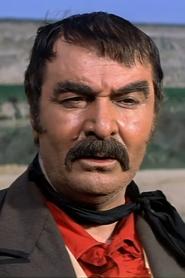
Jean Gabin leads the cast as Carlo Bacchi, supported by Elli Parvo, Antonella Lualdi, Paola Borboni, and Carlo Sposito in pivotal roles.
Is Twelve Hours to Live (1950) worth watching?
With its compelling themes of redemption and a strong lead performance from Jean Gabin, Twelve Hours to Live offers a thought-provoking watch for fans of classic drama and fantasy. While not widely celebrated today, its unique premise and atmospheric tone make it a standout from 1950.
How long is Twelve Hours to Live?
The film runs for 81 minutes.
About Twelve Hours to Live (1950) — A condemned tycoon gets twelve hours to redeem his soul
French cinema legend Jean Gabin stars as Carlo Bacchi, a ruthless shoe tycoon who meets a sudden end in a tragic car accident—only to find himself facing eternal damnation in the afterlife. Condemned to hell for his lifetime of cruelty and exploitation, Bacchi pleads his case before celestial judges and is granted a shocking reprieve: twelve hours to return to the living world and make amends for his sins. This haunting blend of drama and fantasy, directed by Luigi Zampa, explores themes of redemption, guilt, and second chances through a morally complex narrative.
Twelve Hours to Live (1950) weaves a gripping tale of fate and atonement, as Bacchi races against time to undo the damage of his past actions—particularly the ruinous consequences that drove a man named Amedeo Santini to the brink of suicide. With its atmospheric tension and philosophical depth, this Italian-French co-production offers a rare glimpse into post-war existential cinema, where moral reckoning takes center stage against the backdrop of mid-century storytelling.