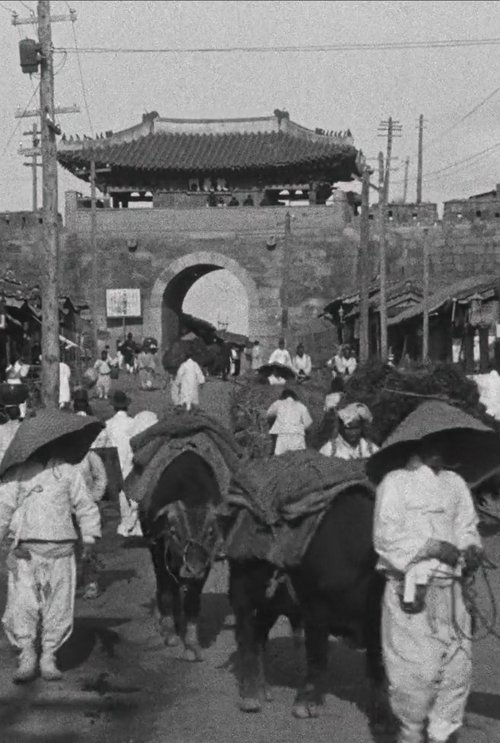
Korea : Views of Seoul and the Port of Chemulpo 1910
A fleeting but fascinating glimpse into early 20th-century Korea, *Korea : Views of Seoul and the Port of Chemulpo (1910)* offers a rare documentary snapshot of Seoul and the bustling port of Chemulpo—today's Incheon—during a pivotal moment in history.
Frequently Asked Questions
What is *Korea : Views of Seoul and the Port of Chemulpo (1910)* about?
This silent documentary captures early 20th-century Korea through footage of Seoul's historic Great West Gate and the port city of Chemulpo, now known as Incheon. The film documents daily life and urban landscapes just before colonial pressures dramatically altered the region.
Who directed *Korea : Views of Seoul and the Port of Chemulpo*?
Director information is not available.
Who stars in *Korea : Views of Seoul and the Port of Chemulpo*?
The original cast is not listed, as the documentary focuses on settings rather than individuals.
Is *Korea : Views of Seoul and the Port of Chemulpo (1910)* worth watching?
Though unrated and brief, this early documentary offers immense historical and cinematic value for those interested in silent film or Korean history. Its preservation of a lost cityscape makes it a compelling watch, especially for fans of documentary heritage.
How long is *Korea : Views of Seoul and the Port of Chemulpo*?
The film runs for approximately 7 minutes.
Korea : Views of Seoul and the Port of Chemulpo (1910) — Discover a 7-Minute Time Capsule of Early Korea
A fleeting but fascinating glimpse into early 20th-century Korea, *Korea : Views of Seoul and the Port of Chemulpo (1910)* offers a rare documentary snapshot of Seoul and the bustling port of Chemulpo—today's Incheon—during a pivotal moment in history. Captured in black-and-white on 35mm film, this seven-minute silent documentary transports viewers to a world where traditional Korean architecture, such as the now-destroyed Donuimun (Great West Gate), still stood before modernization reshaped the landscape. The footage radiates a quiet, observational tone, preserving everyday life in a dynamic era when East met West on the docks of Chemulpo. From the rhythmic labor of port workers to the sweeping city gates, the film is less a narrative and more a visual time capsule, blending cultural curiosity with historical weight.
Witnessing this film today feels like holding a fragile piece of the past in your hands. While modest in length, it's rich in atmosphere—evoking the sounds and scents of a pre-war port city where foreign ships docked daily and Korea teetered on the edge of colonial transformation. Though the identities of the director and cast remain lost to time, their legacy lives on in the grainy footage, offering film enthusiasts and history buffs alike a chance to study a country on the brink of irreversible change. Whether you're drawn to early cinema, Korean history, or simply the allure of lost urban landscapes, this brief documentary delivers an immersive experience that lingers long after the final frame fades to black.