Spota 2006
In the quirky short film Spota (2006), director Brian Reddin crafts a hilarious yet oddly poignant battle of wills between a stubborn man and a mischievous dog.
Director: Brian Reddin
Cast
Frequently Asked Questions
What is Spota (2006) about?
Spota follows a man whose life spirals into chaos after a tense rivalry with a dog takes over his every waking moment. What starts as harmless annoyance quickly escalates into an all-consuming battle of wits, blending humor with a surprisingly sharp critique of human ego.
Who directed Spota?
Spota was directed by Brian Reddin, who brings a keen eye for comedic timing and character-driven storytelling to this short film.
Who stars in Spota?
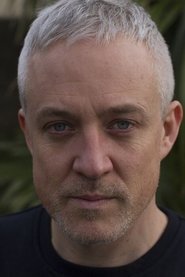
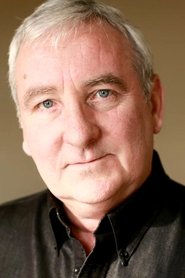
The film features Tomás Ó Súilleabháin, Rossa O'Sioradáin, Niall McDonagh, and Donagh Deeney in the lead roles.
Is Spota (2006) worth watching?
While Spota is unrated on IMDb, its sharp writing and tight runtime make it a standout in the comedy genre. Fans of quirky, dialogue-driven shorts with a dark edge will likely find it entertaining and thought-provoking.
How long is Spota?
Spota has a runtime of 14 minutes.
About Spota (2006) — When Man Meets Dog in a Comedy Showdown
In the quirky short film Spota (2006), director Brian Reddin crafts a hilarious yet oddly poignant battle of wills between a stubborn man and a mischievous dog. Shot in just 14 minutes, this dark comedy dives into the absurdity of human obsession as a man's rivalry with a feisty canine escalates into an all-out psychological showdown. The film's sharp dialogue and exaggerated performances create a tone that oscillates between slapstick humor and biting satire, exploring themes of pride, frustration, and the unpredictable nature of human-animal dynamics. With its minimalist setting and razor-sharp pacing, Spota stands out as a cult favorite for fans of offbeat comedies that punch above their weight.
At its core, Spota is less about the dog itself and more about the man's gradual unraveling, offering a wry commentary on the futility of fighting forces beyond our control. The chemistry between the leads—especially Tomás Ó Súilleabháin's portrayal of the increasingly exasperated protagonist—adds depth to the absurd premise. It's a micro-budget gem that proves great storytelling doesn't need a feature-length runtime to leave a lasting impression.