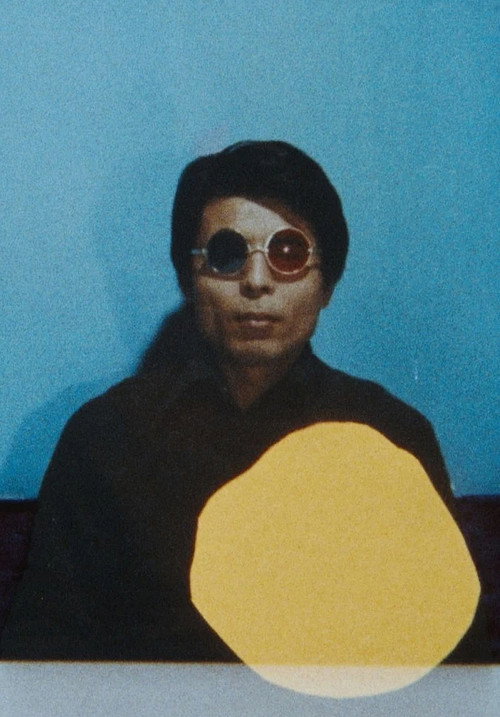
Hammer 1977
Hammer (1977), directed by the experimental visionary Isao Kota, is a bold 5-minute cinematic experiment that challenges our perception of the screen as a boundary.
Director: Isao Kota
Frequently Asked Questions
What is Hammer (1977) about?
Hammer dismantles the illusion of the cinematic frame by treating the screen as a dynamic, manipulable surface. Director Isao Kota invites viewers into a realm where imagery isn't confined—it's pulled, stretched, and redefined in real time, creating an abstract dialogue between viewer and screen.
Who directed Hammer?
Hammer was directed by Isao Kota, a filmmaker known for pushing the boundaries of visual storytelling and experimental cinema.
Who stars in Hammer?
Cast details for Hammer (1977) are not publicly listed.
Is Hammer (1977) worth watching?
As a 5-minute experimental film, Hammer offers a unique cinematic experience for fans of abstract and avant-garde art. Its unrated status and niche appeal mean it's not for everyone, but its inventive approach to visual composition makes it a fascinating study in experimental filmmaking.
How long is Hammer?
Hammer (1977) has a runtime of 5 minutes.
About Hammer (1977) — Isao Kota's 5-Minute Visual Revolution Inside the Frame
Hammer (1977), directed by the experimental visionary Isao Kota, is a bold 5-minute cinematic experiment that challenges our perception of the screen as a boundary. Peeling back the layers of conventional filmmaking, Kota manipulates the very surface of the frame—sliding imagery sideways, pulling perspectives inward, and blending interior and exterior spaces into a hypnotic visual puzzle. The film strips away narrative in favor of pure texture and motion, inviting viewers to experience cinema as an interactive, almost tactile environment where the screen itself becomes a malleable canvas. Each frame feels like a collage of time and space, crafted with meticulous attention to visual rhythm and spatial disorientation.
Delving into themes of abstraction and materiality, Hammer transcends traditional storytelling to explore the medium's fundamental mechanics. The film's abstract nature makes it as much a study of perception as it is an artistic statement, leaving audiences to interpret its shifting surfaces and elusive continuity. Shot entirely within the confines of the screen's illusion, it blurs the line between illusion and reality, offering a fleeting but unforgettable viewing experience that lingers in the mind like a half-remembered dream.