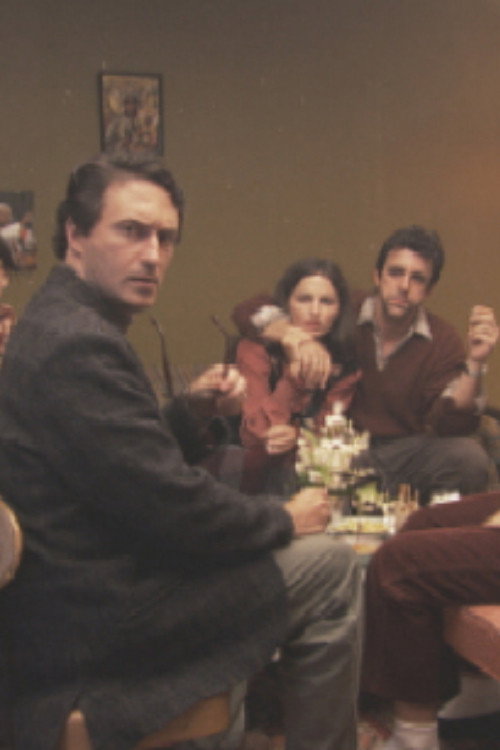
Solidarity 2005
In the tense political landscape of 1982 communist Poland, Solidarity (2005) unfolds during a seemingly ordinary celebration—a couple's wedding anniversary with their closest friends.
Director: Joan Stein Schimke
Cast






Frequently Asked Questions
What is Solidarity (2005) about?
Solidarity (2005) follows a couple celebrating their wedding anniversary in communist Poland, only for an unexpected accident to ignite a chain of events that fractures their relationships forever. The film delves into the psychological and emotional fallout of betrayal and survival in a politically oppressive era.
Who directed Solidarity?
Solidarity was directed by Joan Stein Schimke, whose work brings a sharp focus to the human drama unfolding in a politically charged setting.
Who stars in Solidarity?
The film features a talented cast including Magdalena Mielcarz, Oksana Lada, Stelio Savante, Marozsán Erika, and Michael Stuhlbarg.
Is Solidarity (2005) worth watching?
With its intense storytelling and historical backdrop, Solidarity (2005) is a compelling watch for fans of dramatic shorts. While IMDb ratings aren't available, its themes of betrayal and tension make it a thought-provoking choice for viewers interested in Polish history and emotional depth.
How long is Solidarity?
Solidarity has a runtime of 22 minutes.
About Solidarity (2005) — A gripping Polish short drama on trust and turmoil
In the tense political landscape of 1982 communist Poland, Solidarity (2005) unfolds during a seemingly ordinary celebration—a couple's wedding anniversary with their closest friends. Directed by Joan Stein Schimke, this short but intense drama captures the fragile nature of trust and relationships when a sudden accident spirals into chaos, shattering bonds and leaving lives irrevocably altered. The film masterfully blends historical tension with intimate storytelling, creating an atmosphere of dread and uncertainty that lingers long after the credits roll.
Starring Magdalena Mielcarz, Oksana Lada, and Stelio Savante, Solidarity explores themes of betrayal, survival, and the fragility of human connections under political oppression. Schimke's direction infuses the narrative with raw emotion, making this brief 22-minute film a haunting reflection on how quickly stability can unravel. Set against a backdrop of ideological strife, the story resonates as both a personal tragedy and a microcosm of larger societal upheaval.