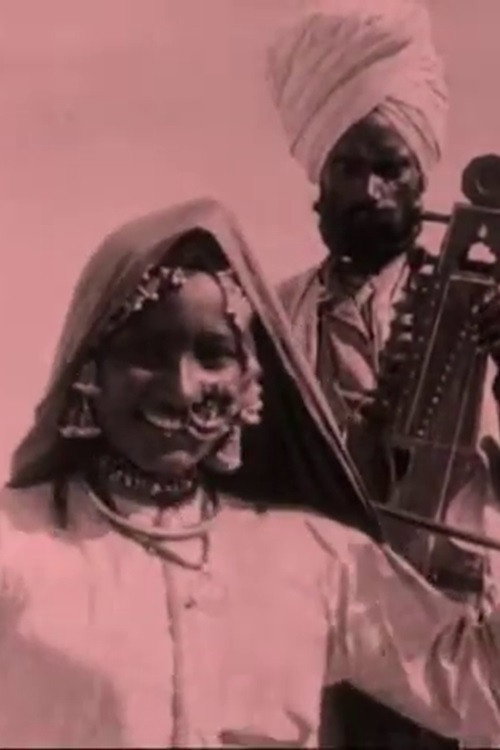
The Wonders of Hindustan 1914
Step back to 1914 and let "The Wonders of Hindustan" whisk you away on a fleeting but unforgettable visual pilgrimage across colonial India.
Frequently Asked Questions
What is The Wonders of Hindustan (1914) about?
This short silent documentary transports viewers across early 20th-century India, showcasing iconic landmarks like the Taj Mahal and the Ganges alongside vibrant street scenes in Calcutta and Benares. It's a visual hymn to a land where ancient traditions and colonial modernity coexist in fleeting frames.
Who directed The Wonders of Hindustan?
Director information is not available.
Who stars in The Wonders of Hindustan?
The film features local performers and everyday life rather than named actors; key highlights include a Tamil dancer and bustling market scenes in major Indian cities.
Is The Wonders of Hindustan (1914) worth watching?
With its unrated status and short runtime, it's less a narrative experience and more a cultural artifact—perfect for cinephiles and history buffs. If you appreciate silent-era documentaries or early travelogues, its fleeting beauty and historical weight make it a rewarding watch.
How long is The Wonders of Hindustan?
The Wonders of Hindustan runs for 7 minutes.
🎥 Trailer
The Wonders of Hindustan (1914): A 1914 Time Capsule of India's Golden Vista
Step back to 1914 and let "The Wonders of Hindustan" whisk you away on a fleeting but unforgettable visual pilgrimage across colonial India. This seven-minute silent documentary offers a mesmerising snapshot of a land steeped in spirituality and grandeur, from the marble symmetry of the Taj Mahal to the sacred flow of the Ganges. Witness the hypnotic grace of a Tamil dancer, then stroll through the bustling streets of Calcutta, the majestic halls of Delhi, and the timeless ghats of Benares. Shot on nitrate stock that has long since faded elsewhere, the surviving footage delivers a haunting, almost dreamlike atmosphere—an early celluloid postcard that lingers like the scent of incense in a dawn temple ceremony.
Though the director's name remains lost to time, the film's power lies in its unfiltered gaze: no stars, no plot, just a poetic procession of light, water, and human motion. It's less a travelogue than a devotional act, a flicker of celluloid that preserves a vanished world in amber tones and shadowed grace. Stream or download this micro-masterpiece to experience a century-old India that refuses to be forgotten.