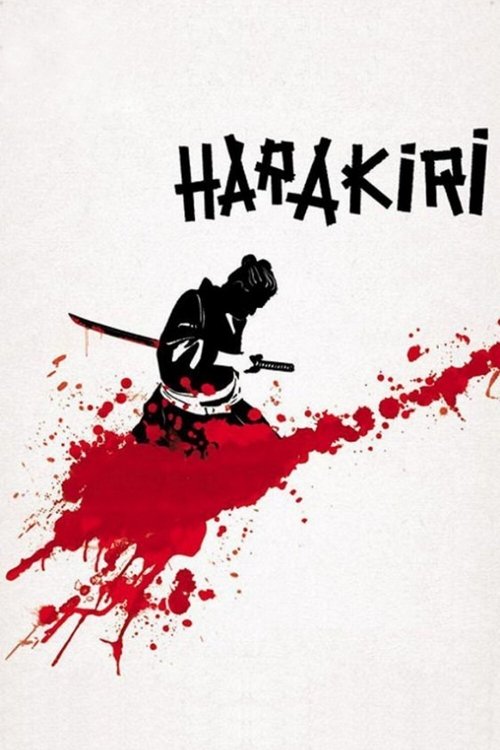
Harakiri 1962
"What befalls others today, may be your own fate tomorrow."
Directed by the masterful Masaki Kobayashi, *Harakiri (1962)* is a searing jidaigeki drama that immerses viewers in the brutal world of 17th-century samurai.
Director: Masaki Kobayashi
Cast

Tatsuya Nakadai
Hanshiro Tsugumo

Akira Ishihama
Motome Chijiiwa

Shima Iwashita
Miho Tsugumo

Tetsuro Tamba
Hikokuro Omodaka
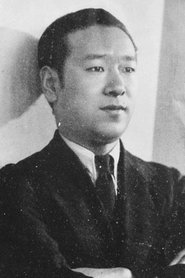
Masao Mishima
Tango Inaba
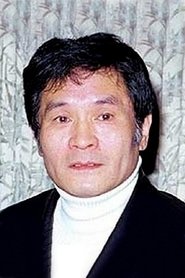
Ichirō Nakatani
Hayato Yazaki

Kei Satō
Masakazu
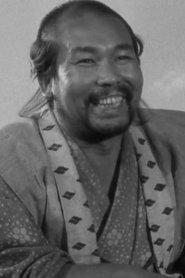
Yoshio Inaba
Jinai Chijiiwa
Hisashi Igawa
Retainer
Toru Takeuchi
Retainer
Frequently Asked Questions
What is Harakiri (1962) about?
The film centers on Tsugumo Hanshirō, a fallen samurai who seeks ritual suicide at the House of Iyi, only to expose the clan's hidden cruelty. Beneath its sword-fighting spectacle, *Harakiri* dissects the contradictions of bushido and the cost of clinging to empty traditions.
Who directed Harakiri?
Masaki Kobayashi, a director renowned for his socially conscious and visually bold films, helmed *Harakiri*.
Who stars in Harakiri?
The film stars Tatsuya Nakadai as Hanshirō, Akria Ishihama, Shima Iwashita, Tetsuro Tamba, and Masao Mishima in pivotal roles.
Is Harakiri (1962) worth watching?
Absolutely—for fans of historical drama and psychological depth. Kobayashi's direction and Nakadai's performance elevate the film beyond typical samurai fare, offering a piercing critique of honor systems that still resonates today.
How long is Harakiri?
The runtime for *Harakiri* is 135 minutes.
🎥 Trailer
About Harakiri (1962) — A Masterpiece of Honor and Hypocrisy in Feudal Japan
Directed by the masterful Masaki Kobayashi, *Harakiri (1962)* is a searing jidaigeki drama that immerses viewers in the brutal world of 17th-century samurai. The film follows Tsugumo Hanshirō, a destitute ronin who arrives at the gates of the powerful House of Iyi, claiming he seeks a ritual suicide site and a second to end his life. What unfolds is a haunting exploration of honor, desperation, and the hypocrisy lurking beneath feudal Japan's rigid codes. With its stark cinematography and unflinching storytelling, *Harakiri (1962)* challenges the very notion of bushido while delivering a gripping tale of revenge and betrayal.
The atmosphere is thick with tension, as Kobayashi contrasts the Iyi clan's hollow adherence to tradition with the raw humanity of Hanshirō's plight. The film's layered narrative peels back the veneer of honor to reveal the cold calculus of power, making it a timeless meditation on survival and moral decay. A must-watch for fans of historical drama, *Harakiri* is as intellectually provocative as it is visually striking.