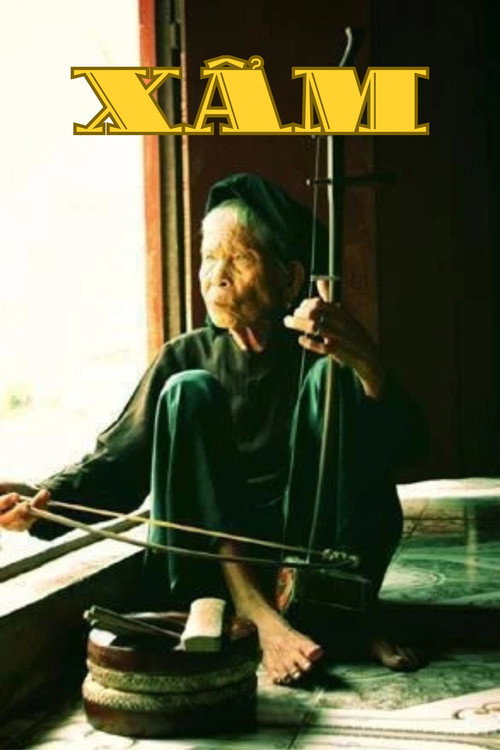
Xẩm 1998
Xẩm (1998) is a compelling Vietnamese documentary that delves into the fading art of classical xẩm singing, a traditional musical form deeply rooted in northern Vietnam's cultural heritage.
Director: Bùi Thạc Chuyên
Cast
Frequently Asked Questions
What is Xẩm (1998) about?
This documentary follows director Bùi Thạc Chuyên's exploration of classical xẩm singing in rural northern Vietnam, focusing on his search for the tradition's final surviving performers and their stories.
Who directed Xẩm?
The documentary was directed by Bùi Thạc Chuyên, who brings a personal and investigative approach to documenting this endangered Vietnamese musical tradition.
Who stars in Xẩm?
The film features Hà Thị Cầu and Nguyễn Cường, with Hà Thị Cầu serving as the primary subject as one of the last practitioners of classical xẩm singing.
Is Xẩm (1998) worth watching?
Despite being unrated, this documentary holds significant cultural value for its preservation of Vietnamese folk traditions. Its concise runtime and intimate focus make it essential viewing for those interested in world music documentaries.
How long is Xẩm?
The documentary runs for 28 minutes, making it a brief but impactful exploration of traditional Vietnamese music.
Xẩm: The Last Song of Northern Vietnam — Full Movie Info
Xẩm (1998) is a compelling Vietnamese documentary that delves into the fading art of classical xẩm singing, a traditional musical form deeply rooted in northern Vietnam's cultural heritage. Directed by Bùi Thạc Chuyên, this 28-minute film takes viewers on a journey through rural landscapes as the filmmaker searches for the last remaining practitioners of this ancient vocal tradition. The documentary captures intimate moments with Hà Thị Cầu, whose haunting performances serve as a bridge between past and present.
Through careful observation and respectful storytelling, Xẩm (1998) explores themes of cultural preservation, memory, and the bittersweet passage of time. The film's contemplative atmosphere mirrors the melancholic beauty of xẩm music itself, creating a meditation on what it means to be the final keeper of a disappearing art form. With cinematography that emphasizes the rustic charm of northern Vietnam, the documentary paints a portrait not just of individual artists, but of an entire cultural ecosystem.
This short documentary offers a rare glimpse into Vietnamese folk traditions that have largely vanished from mainstream consciousness. For viewers interested in world music, cultural anthropology, or Vietnamese cinema, Xẩm (1998) provides an essential window into a nearly forgotten chapter of Southeast Asian artistic expression.