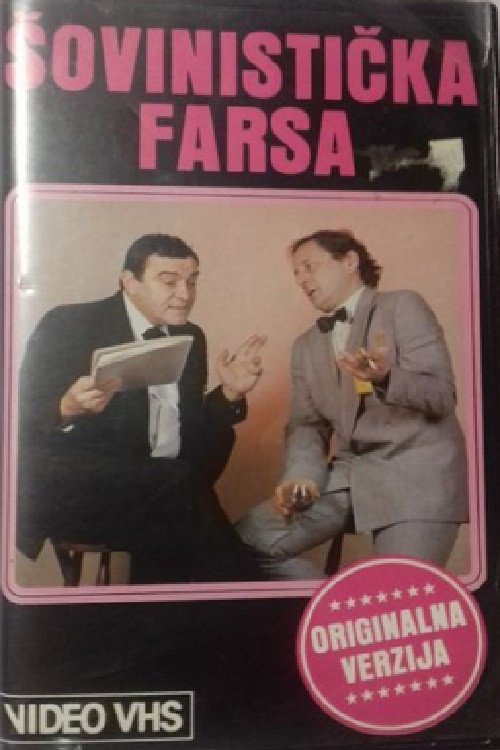
Chauvinistic Farce 1986
Chauvinistic Farce (1986) brings a sharp-yet-silly theatrical clash to the screen, directed by Egon Savin and centered on a marathon drinking session between two larger-than-life caricatures.
Director: Egon Savin
Cast
Frequently Asked Questions
What is Chauvinistic Farce (1986) about?
At its heart, the film stages a marathon drinking match between two exaggerated national archetypes—one Serbian, one Croatian—whose escalating barbs reveal how thin the line is between humor and hostility. Underneath the slapstick banter lies a lighthearted jab at chauvinism itself, all served with a generous splash of rakija.
Who directed Chauvinistic Farce?
Egon Savin helmed the project, bringing a theatrical sensibility to the screen that emphasizes dialogue over spectacle.
Who stars in Chauvinistic Farce?
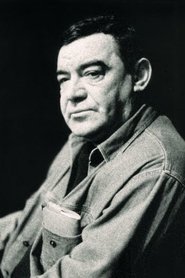
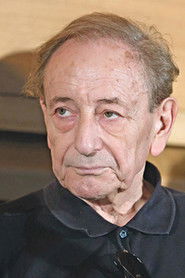
Leading the charge are Josif Tatić as the brash Serb Slobodan Mihajlovic and Predrag Ejdus as the equally loud Croat Bernard Drach, with Mile Stanković rounding out the trio.
Is Chauvinistic Farce (1986) worth watching?
Unrated on IMDb but buoyed by its cult charm, the film is a time-capsule comedy whose humor holds up surprisingly well. Fans of sharp, old-school satire will appreciate its unapologetically cheeky take on national stereotypes.
How long is Chauvinistic Farce?
The film runs 113 minutes, packing most of its punch into a tight, talky 1 hour 53 minutes.
About Chauvinistic Farce (1986) — When Two Stereotypes Pour the Next Round
Chauvinistic Farce (1986) brings a sharp-yet-silly theatrical clash to the screen, directed by Egon Savin and centered on a marathon drinking session between two larger-than-life caricatures. Josif Tatić plays Slobodan Mihajlovic, a boisterous Serb who embodies every regional stereotype, while Predrag Ejdus gives voice to Bernard Drach, his equally exaggerated Croat counterpart. Their fast-falling inhibitions and even faster-rising insults fuel the comedy, mining laughter from cultural friction rather than political conflict.
A product of its socialist-era stage origins, the film thrives on rapid-fire dialogue and the sheer audacity of its characters, who never quite realize they're the butt of their own joke. The setting is deliberately claustrophobic—bare walls, clinking glasses, and a single lamp casting long shadows—giving the proceedings an intimate, almost Brechtian intensity. Beneath the bawdy humor lies a gentle satire of nationalist posturing, wrapped in a package that feels as timely as it does timeless.