No Poster
Deep in My Heart 1967
Jeong Chang-hwa's romantic drama *Deep in My Heart (1967)* weaves a poignant tale of friendship turned rivalry in 1960s Korea.
Director: Jeong Chang-hwa
Cast
Ting Ying
Zheng Yihua
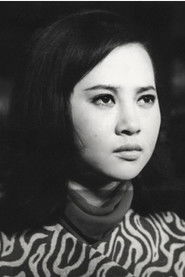
Nam Jeong-im
Zheng Soo-ok
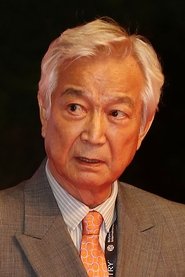
Shin Seong-il
Lee Sang-hyun
Cheung Yee
Zhang Zhen
Kim Seung-ho
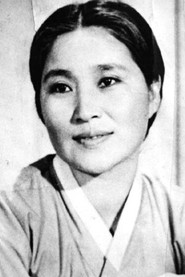
Hwang Jeong-sun
Frequently Asked Questions
What is Deep in My Heart (1967) about?
This 1960s Korean romance follows two close friends whose bond unravels when one falls for the surgeon who saved the other's life. As jealousy takes root, their friendship fractures into hostility, dragging an innocent bystander into their emotional storm.
Who directed Deep in My Heart?
Jeong Chang-hwa directed *Deep in My Heart*. His directorial style in the film leans into emotional realism, focusing on the intimate struggles of his characters.
Who stars in Deep in My Heart?
The film stars Ting Ying, Nam Jeong-im, Shin Seong-il, Cheung Yee, and Kim Seung-ho in pivotal roles that drive its emotional core.
Is Deep in My Heart (1967) worth watching?
While *Deep in My Heart* lacks an IMDb rating, its themes of love and betrayal resonate strongly within the Korean romance genre. Fans of melodramas with layered character dynamics may find it a compelling, if understated, watch.
How long is Deep in My Heart?
The runtime of *Deep in My Heart* is 92 minutes.
About Deep in My Heart (1967) — A Forgotten Korean Romance of Love and Betrayal
Jeong Chang-hwa's romantic drama *Deep in My Heart (1967)* weaves a poignant tale of friendship turned rivalry in 1960s Korea. The story centers on Zheng Yihua, an overseas student who returns home to find her best friend, Soo-ok, deeply in love with the surgeon who saved her life. What begins as admiration quickly curdles into jealousy as Soo-ok's infatuation warps into bitter resentment, poisoning their once-close bond. Meanwhile, Yihua's father's assistant, Zhang Zhen, becomes an unwitting pawn in their emotional chess game. Set against the backdrop of early Korean modernity, the film explores the fragility of relationships, the sting of betrayal, and the thin line between love and obsession. Ting Ying and Nam Jeong-im deliver performances that crackle with raw emotion, capturing the bittersweet tension of a triangle where no one remains unscathed.
The film's restrained cinematography and understated score amplify its melancholic atmosphere, making *Deep in My Heart (1967)* a quiet yet haunting reflection on how love can both unite and divide. Jeong Chang-hwa crafts a narrative that lingers like an unresolved melody, leaving audiences to ponder the cost of passion and the wounds it leaves behind.