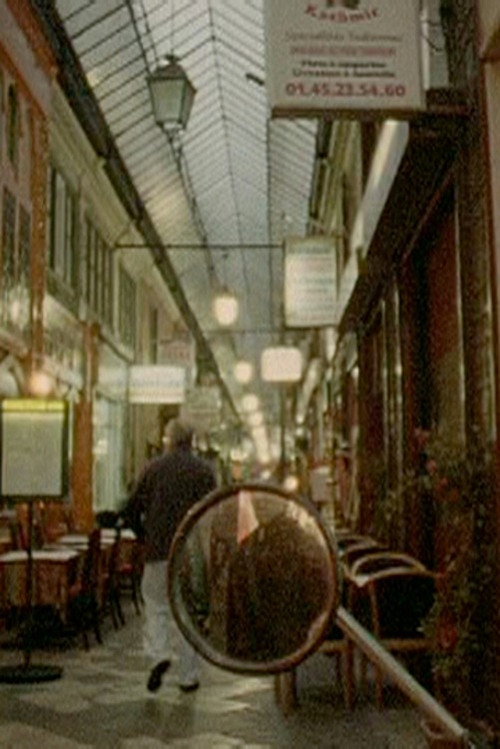
The Passage Clock: For Walter Benjamin 2008
Jem Cohen's *The Passage Clock: For Walter Benjamin* (2008) is a hauntingly poetic documentary that pays tribute to the philosopher Walter Benjamin's exile during the 1930s.
Director: Jem Cohen
Cast

Frequently Asked Questions
What is *The Passage Clock: For Walter Benjamin* (2008) about?
This short documentary explores Walter Benjamin's years in exile during the 1930s, particularly his time in Paris's Bibliothèque Nationale. It blends narration, archival imagery, and Patti Smith's contributions to reflect on displacement, intellectual survival, and the enduring power of his unfinished work.
Who directed *The Passage Clock: For Walter Benjamin*?
Jem Cohen, the acclaimed director known for blending documentary and experimental filmmaking.
Who stars in *The Passage Clock: For Walter Benjamin*?
The film features Patti Smith alongside archival elements, with narration shaped by Cohen's literary cut-up collaboration with Smith.
Is *The Passage Clock: For Walter Benjamin* (2008) worth watching?
For fans of poetic, thought-provoking cinema, this 10-minute documentary is absolutely worth it. Its quiet intensity and thematic richness make it a rewarding experience, even if it's unconventional. The IMDb-unrated status doesn't detract from its artistic merit.
How long is *The Passage Clock: For Walter Benjamin*?
The runtime is 10 minutes.
About The Passage Clock: For Walter Benjamin (2008) — A poetic meditation on exile and time
Jem Cohen's *The Passage Clock: For Walter Benjamin* (2008) is a hauntingly poetic documentary that pays tribute to the philosopher Walter Benjamin's exile during the 1930s. Fleeing fascism, Benjamin found temporary sanctuary in Paris's Bibliothèque Nationale, where he immersed himself in literary refuge and secretly stowed away fragments of *Das Passagen-Werk*, his unfinished magnum opus. Cohen weaves narration from a chance-driven literary cut-up exercise with Patti Smith, creating a meditative portrait of exile, time, and intellectual resilience. The film pulses with the ghostly remnants of a past that refuses to fade, blending archival whispers with a dreamlike sense of displacement. Shot in a quiet, contemplative rhythm, it lingers on the spaces between books and ideas, capturing the fragility of memory and the endurance of art.
This 10-minute meditation isn't just a biographical sketch—it's a visual and auditory homage to Benjamin's ideas and the artists who inspired Cohen, including Chris Marker. The result is a sensory journey through history, where the flicker of a clock and the rustle of pages become metaphors for the relentless passage of time itself. The film's understated power lies in its ability to evoke the weight of intellectual exile without a single dramatic gesture.