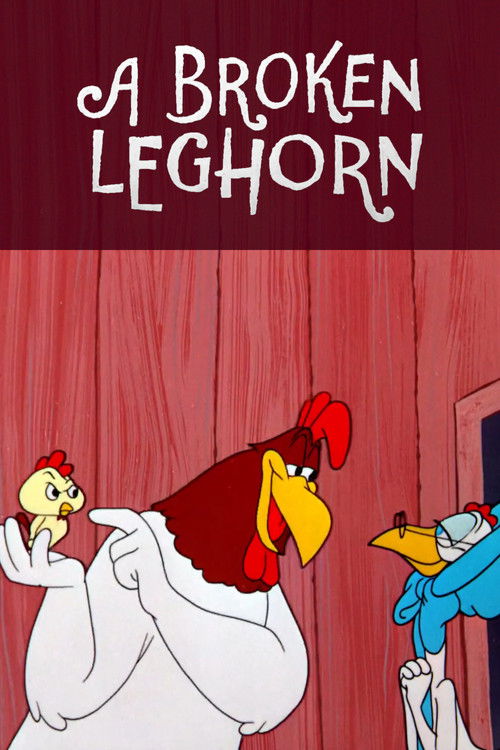
A Broken Leghorn 1959
In this classic 1959 Looney Tunes short, *A Broken Leghorn*, legendary animator Robert McKimson delivers a fast-paced, hilarious clash of egos on Old MacDonald's farm.
Director: Robert McKimson
Cast

Frequently Asked Questions
What is A Broken Leghorn (1959) about?
When Miss Prissy's nest hatches a surprise baby rooster, Foghorn Leghorn fears the newcomer will replace him—and worse, end up on the dinner table. The flustered rooster's over-the-top attempts to oust the tiny threat drive the plot, blending slapstick with sharp Looney Tunes wit.
Who directed A Broken Leghorn?
Robert McKimson, a master of Warner Bros. animation, directed this 1959 short with his signature blend of humor and visual gags.
Who stars in A Broken Leghorn?
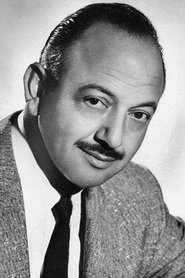
The film stars Mel Blanc as Foghorn Leghorn and June Foray as Miss Prissy, with their iconic performances driving the comedy.
Is A Broken Leghorn (1959) worth watching?
With its rapid-fire gags, charming animation, and timeless humor, *A Broken Leghorn* is a must-watch for fans of classic cartoons. Though unrated on IMDb, its reputation as a Looney Tunes staple speaks for itself—entertaining regardless of era.
How long is A Broken Leghorn?
The short runs for approximately 6 minutes.
About A Broken Leghorn (1959) — A Classic Looney Tunes Short Review
In this classic 1959 Looney Tunes short, *A Broken Leghorn*, legendary animator Robert McKimson delivers a fast-paced, hilarious clash of egos on Old MacDonald's farm. The story revolves around the ever-egotistical Foghorn Leghorn, who panics when Miss Prissy's nest hatches a new baby rooster, fearing the youngster will steal his spotlight—or worse, end up as Sunday dinner. With his signature egg-headed schemes and rapid-fire gibberish, Mel Blanc voices Foghorn's increasingly desperate antics as the pompous rooster races to outsmart the unexpected intruder.
The short's lighthearted chaos is balanced by June Foray's mischievous portrayal of Miss Prissy, whose obliviousness adds to the absurdity. *A Broken Leghorn (1959)* thrives on the timeless theme of vanity and insecurity, wrapped in the nostalgic charm of vintage animation. Its snappy dialogue and slapstick humor make it a standout entry in the golden age of theatrical cartoons.