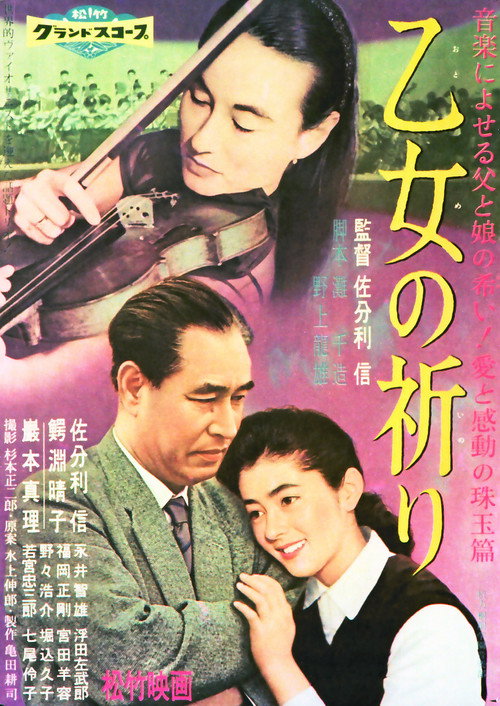
Otome no inori 1959
Otome no inori (1959), a poignant Japanese film directed by Shin Saburi, unfolds against the backdrop of post-war Tokyo, weaving a tender narrative centered on love, sacrifice, and the quiet strength of everyday people.
Director: Shin Saburi
Cast



Frequently Asked Questions
What is Otome no inori (1959) about?
Set in post-war Tokyo, Otome no inori explores the lives of ordinary people whose stories intertwine through acts of devotion and quiet sacrifice. The film delicately examines themes of love, duty, and resilience in a time of societal change.
Who directed Otome no inori?
Otome no inori was directed by Shin Saburi, a filmmaker known for his sensitive portrayals of human relationships in mid-20th-century Japan.
Who stars in Otome no inori?
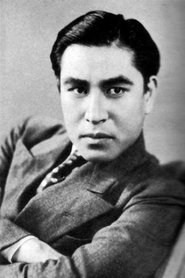
The film features Shin Saburi, Haruko Wanibuchi, Iwamoto Mari, Chūzaburō Wakamiya, and Kosuke Nono in key roles.
Is Otome no inori (1959) worth watching?
While lacking an IMDb rating, Otome no inori offers a glimpse into 1950s Japanese cinema with its emotional depth and understated storytelling. Fans of classic, contemplative films will find it rewarding.
How long is Otome no inori?
Otome no inori has a runtime of 88 minutes.
About Otome no inori (1959) — Shin Saburi's 1959 Japanese Film of Love and Sacrifice
Otome no inori (1959), a poignant Japanese film directed by Shin Saburi, unfolds against the backdrop of post-war Tokyo, weaving a tender narrative centered on love, sacrifice, and the quiet strength of everyday people.
The story follows a group of characters whose lives intersect through a series of small but meaningful acts of devotion, capturing the bittersweet essence of human connections. With a runtime of just 88 minutes, the film balances subtle storytelling with emotional depth, reflecting the struggles and hopes of its era. Shot in the lyrical style of 1950s Japanese cinema, Otome no inori stands as a testament to the power of understated storytelling.