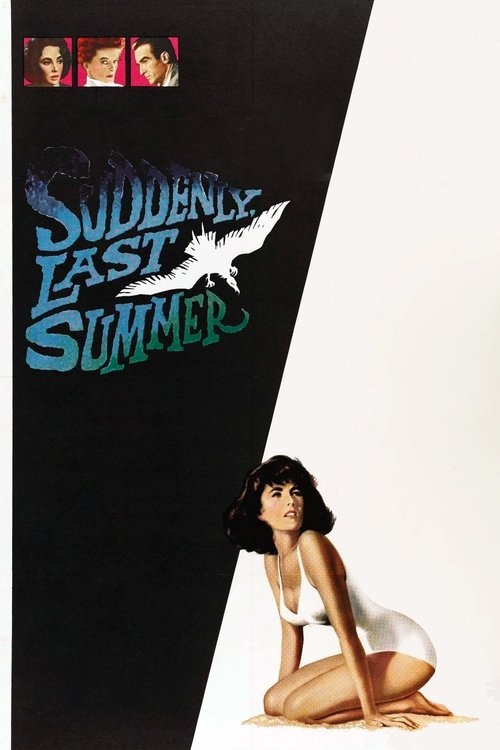
Suddenly, Last Summer 1959
"Suddenly, last summer, Cathy knew she was being used for something evil!"
Dive into the sultry, Southern Gothic mystery of *Suddenly, Last Summer (1959)*, Joseph L. Mankiewicz's haunting psychological thriller set against the opulent decay of a wealthy family's world.
Director: Joseph L. Mankiewicz
Cast
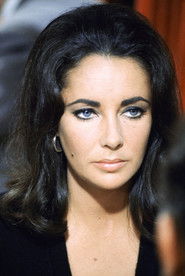
Elizabeth Taylor
Catherine Holly

Katharine Hepburn
Violet Venable
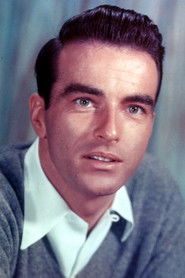
Montgomery Clift
Dr. Cukrowicz
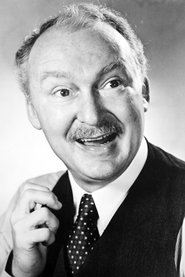
Albert Dekker
Lawrence Hockstader
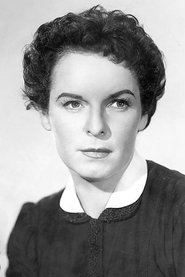
Mercedes McCambridge
Grace Holly

Gary Raymond
George Holly
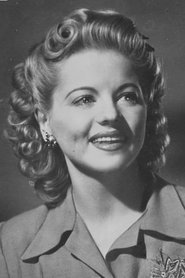
Mavis Villiers
Miss Foxhill
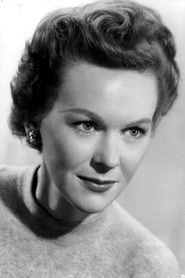
Patricia Marmont
Nurse Benson

Joan Young
Sister Felicity
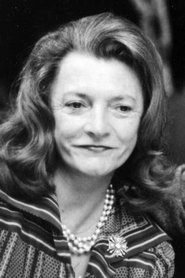
Maria Britneva
Lucy
Frequently Asked Questions
What is Suddenly, Last Summer (1959) about?
The film follows Catherine Holly, who returns from a harrowing trip with her cousin Sebastian Venable emotionally shattered after witnessing something unspeakable. When his domineering mother, Violet, conspires to erase her memories through a lobotomy, Catherine's fragile grip on reality becomes the battleground for a twisted family cover-up.
Who directed Suddenly, Last Summer?
Joseph L. Mankiewicz, the acclaimed director behind sharp, character-driven dramas like *All About Eve*, brings his signature style to this gothic psychological thriller.
Who stars in Suddenly, Last Summer?
The film features powerhouse performances from Elizabeth Taylor, Katharine Hepburn, Montgomery Clift, Albert Dekker, and Mercedes McCambridge.
Is Suddenly, Last Summer (1959) worth watching?
A gripping blend of drama and gothic horror, *Suddenly, Last Summer* is a masterclass in tension and atmosphere. Its themes of repressed trauma and family manipulation make it a compelling watch, though its dark subject matter may not suit all viewers.
How long is Suddenly, Last Summer?
The film runs for 114 minutes.
🎥 Trailer
About Suddenly, Last Summer (1959) — A Gothic thriller of madness, secrets, and Southern decay
Dive into the sultry, Southern Gothic mystery of *Suddenly, Last Summer (1959)*, Joseph L. Mankiewicz's haunting psychological thriller set against the opulent decay of a wealthy family's world. When Catherine Holly, played by Elizabeth Taylor, returns from a traumatic vacation with her cousin Sebastian Venable, she's haunted by memories too horrific to articulate—memories that drive her to the brink of madness. Now, his domineering mother Violet Venable, portrayed by Katharine Hepburn, seeks to silence Catherine permanently, not with kindness, but with the cold precision of a lobotomy. Mankiewicz crafts a film drenched in gothic atmosphere, where repressed desire and familial betrayal fester beneath the surface of genteel Southern charm.
As the truth unfurls in fragmented recollections and feverish accusations, the film blurs the line between sanity and exploitation, leaving audiences to question who is truly the predator and who the prey. With Montgomery Clift delivering a raw, emotionally charged performance, this is a movie that lingers like a fever dream, its themes of power, madness, and the cost of silence resonating long after the credits roll.