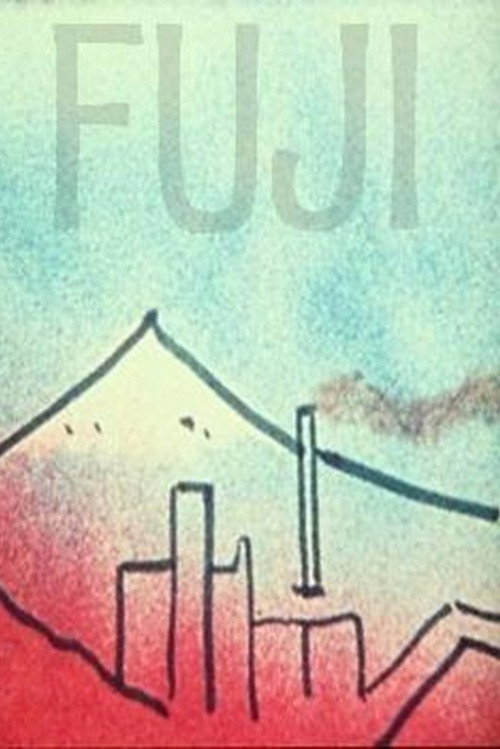
Fuji 1974
Pioneering experimental animator Robert Breer crafts a hypnotic micro-journey in *Fuji (1974)*, a mere eight-minute collage of flickering film and razor-sharp stills that distills Japan's iconic landscape into gliding geometry.
Director: Robert Breer
Frequently Asked Questions
What is Fuji (1974) about?
*Fuji (1974)* blends archival footage and still photography to create a rhythm-driven portrait of Japan's iconic volcano and its surroundings. A tourist's smile meets accelerating trains and sprawling cityscapes, all distilled into sharp angles and converging lines that mirror the mountain's timeless presence.
Who directed Fuji?
Robert Breer, the American experimental filmmaker and painter best known for his pioneering work in abstract and hand-drawn animation.
Who stars in Fuji?
The film's cast is primarily visual—its lone human presence is a smiling tourist captured in archival footage.
Is Fuji (1974) worth watching?
Despite its ultra-short runtime, *Fuji (1974)* offers a visually arresting meditation on motion and stillness that rewards patient viewers. Its abstract style and Ozu-inspired framing make it a fascinating artifact for fans of experimental cinema, even if mainstream appeal is limited.
How long is Fuji?
The film runs approximately 8 minutes.
About Fuji (1974) — An 8-Minute Abstract Masterpiece by Robert Breer
Pioneering experimental animator Robert Breer crafts a hypnotic micro-journey in *Fuji (1974)*, a mere eight-minute collage of flickering film and razor-sharp stills that distills Japan's iconic landscape into gliding geometry. The piece opens with a grinning Western tourist behind round spectacles, framed by the rhythmic clatter of a train pulling away, then pivots into a kaleidoscopic study of power lines, level crossings, and the symmetrical silhouette of Mount Fuji. Breer's hand-cranked lens lingers on converging rooftops and receding tracks, turning everyday infrastructure into a meditative geometry lesson where the volcano becomes a distant beacon of stillness amid relentless motion.
Echoing the serene precision of Yasujirō Ozu while embracing mid-century pop-art wit, *Fuji (1974)* feels like a silent haiku for the machine age—where steel and sky collide in a ballet of acute angles and vanishing points. The viewer rides the pulse of modern transit while the ancient mountain watches on, untouched and eternal, in a fleeting yet unforgettable cinematic fragment.