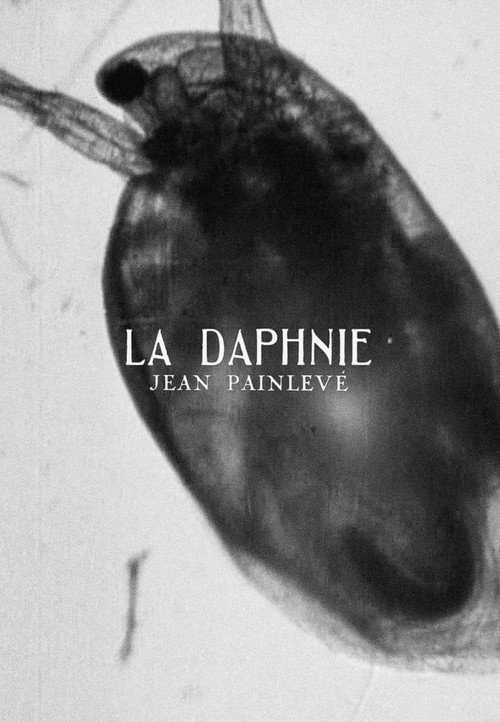
Daphnia 1928
French pioneer of underwater science cinema Jean Painlevé delivers a mesmerizing 8-minute microcosmic odyssey in Daphnia (1928).
Director: Jean Painlevé
Frequently Asked Questions
What is Daphnia (1928) about?
Daphnia (1928) plunges viewers into the secret life of minuscule crustaceans thriving in freshwater ecosystems. Through revolutionary magnification, the film reveals their anatomy—antennae in motion, a rotating eye, and a heart beating several times per second—while showcasing their rapid reproduction as generations succeed one another within moments.
Who directed Daphnia?
Jean Painlevé, a French filmmaker and biologist, directed Daphnia. A visionary in underwater and scientific cinema, he pioneered techniques that transformed microscopic biology into compelling visual storytelling.
Who stars in Daphnia?
Director information is not available.
Is Daphnia (1928) worth watching?
Though unrated and short, Daphnia offers a rare blend of scientific insight and cinematic innovation. Its striking imagery and rhythmic pace make it a fascinating watch for fans of early documentary filmmaking and micro-nature enthusiasts.
How long is Daphnia?
Daphnia runs approximately 8 minutes.
About Daphnia (1928) — A Close-Up Journey Into the Heartbeat of a Microscopic World
French pioneer of underwater science cinema Jean Painlevé delivers a mesmerizing 8-minute microcosmic odyssey in Daphnia (1928). This silent documentary magnifies one of nature's smallest wonders—tiny freshwater crustaceans barely two millimeters long—into a pulsating universe of life barely visible to the naked eye. Through close-ups magnified an astonishing 150,000 times, viewers witness the rhythmic dance of antennae, the unblinking rotation of a single eye, and the lightning-fast heartbeat driving an all-female colony where eggs hatch almost instantly. Painlevé turns a drop of water into a teeming cosmos, revealing heartbeats, blood globules, and intestines in a ballet of biological existence that feels both alien and intimately familiar.
At once scientific and poetic, Daphnia (1928) transforms microscopic biology into cinematic artistry. The film's crisp black-and-white visuals and relentless close-ups invite us to reconsider scale, time, and the hidden vitality coursing through everyday environments. It's a window into a world most will never see—yet Painlevé makes it unforgettable, blending meticulous observation with a sense of wonder that lingers long after the final frame fades.