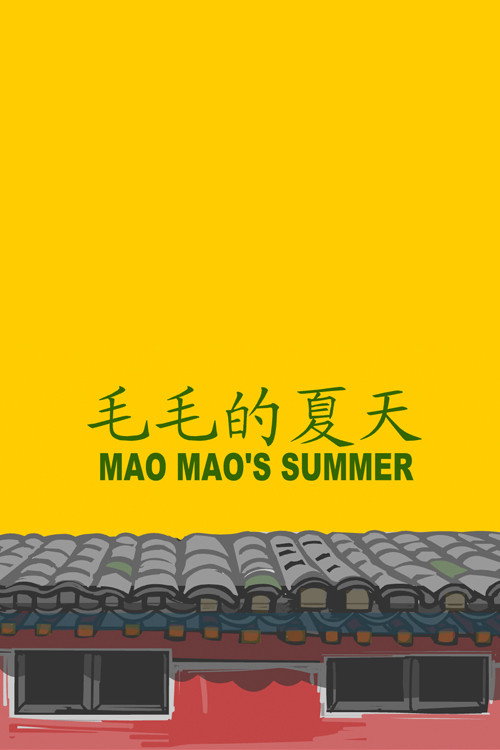
Mao Mao’s Summer 2002
In the early 2000s, as Western consumer culture began reshaping everyday life in China, *Mao Mao's Summer* (2002) emerged as a tiny but powerful snapshot of that cultural shift.
Director: Bu Hua
Frequently Asked Questions
What is Mao Mao's Summer (2002) about?
The film follows a young girl named Maomao who builds a miniature version of Beijing using found objects, including Coca-Cola bottles and nostalgic toys. Her playful creation subtly reflects the cultural and economic influence of Western consumerism during the early 2000s.
Who directed Mao Mao's Summer?
Director Bu Hua crafted this short animated film, infusing it with her signature blend of personal storytelling and social commentary.
Who stars in Mao Mao's Summer?
Maomao's world comes to life through the unnamed young protagonist's imagination, with no credited cast listed for this experimental animation.
Is Mao Mao's Summer (2002) worth watching?
As a two-minute animated gem, *Mao Mao's Summer* may not be a mainstream pick, but its artistic vision and cultural themes make it a fascinating watch for fans of experimental cinema and animation history.
How long is Mao Mao's Summer?
The runtime for *Mao Mao's Summer* is just 2 minutes, making it a quick but impactful viewing experience.
About Mao Mao's Summer (2002) — A Tiny Animated Masterpiece of Early 2000s China
In the early 2000s, as Western consumer culture began reshaping everyday life in China, *Mao Mao's Summer* (2002) emerged as a tiny but powerful snapshot of that cultural shift. Directed by Bu Hua, this two-minute animated short follows a young girl named Maomao as she constructs a miniature Beijing from discarded tiles, toys, and nostalgic trinkets. The film's visual collage blends Eastern charm with Western symbols—most notably Coca-Cola bottles—mirroring the era's rapid globalization. The atmosphere is bittersweet, capturing both the excitement of modernization and the quiet loss of tradition.
At its core, *Mao Mao's Summer* isn't just a story about a child's imaginative play; it's a metaphor for a nation in transition. The Coca-Cola bottles scattered throughout Maomao's diorama aren't just props—they represent the allure and infiltration of Western capitalism into daily Chinese life. Bu Hua's handcrafted animation style, rich with texture and detail, turns the film into a time capsule of the early 2000s, offering a unique perspective on how pop culture symbols become embedded in identity.