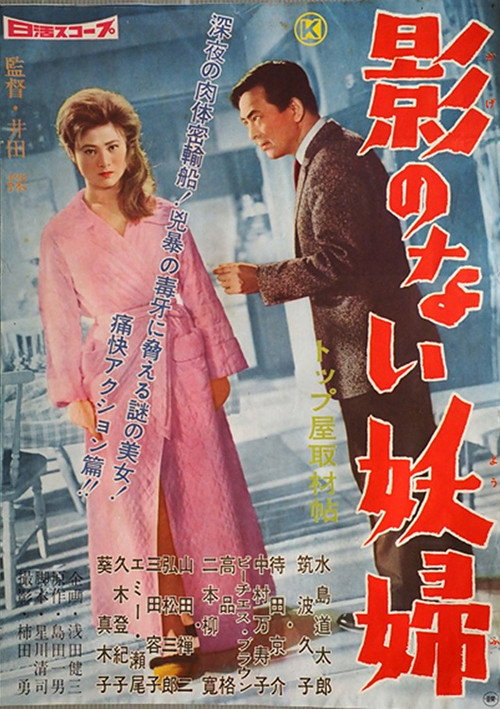
Kage no nai yōfu 1960
Step into the shadowy world of 1960s Japanese cinema with *Kage no nai yōfu* (1960), a concise yet atmospheric film directed by Motomu Ida.
Director: Motomu Ida
Cast





Frequently Asked Questions
What is Kage no nai yōfu (1960) about?
*Kage no nai yōfu* follows characters navigating relationships shrouded in silence, where emotions remain unspoken despite close proximity. The story delicately examines the quiet desperation of connection in a modernizing society, where personal struggles unfold in the margins of daily life. Its brevity amplifies the emotional weight, leaving its themes open to interpretation.
Who directed Kage no nai yōfu?
Kage no nai yōfu was directed by Motomu Ida, a filmmaker known for his nuanced storytelling and exploration of human relationships in mid-20th-century Japan.
Who stars in Kage no nai yōfu?
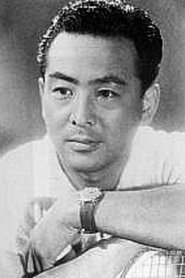
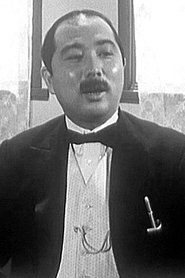
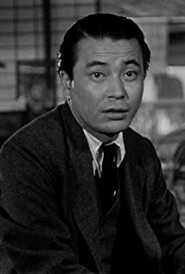
The film features Michitarō Mizushima, Makiko Aoi, Saburo Hiromatsu, Hisako Tsukuba, and Hiroshi Nihon'yanagi in its lead roles.
Is Kage no nai yōfu (1960) worth watching?
While *Kage no nai yōfu* may not be widely celebrated today, its atmospheric direction and thematic depth make it a compelling watch for fans of slow-burn Japanese cinema. Its short runtime and focus on subtle storytelling offer a unique experience, though it may not appeal to those seeking fast-paced narratives.
How long is Kage no nai yōfu?
Kage no nai yōfu has a runtime of 53 minutes.
About Kage no nai yōfu (1960) — A Hidden Masterpiece of Post-War Japanese Cinema
Step into the shadowy world of 1960s Japanese cinema with *Kage no nai yōfu* (1960), a concise yet atmospheric film directed by Motomu Ida. This 53-minute gem weaves a haunting tale that lingers long after the credits roll, exploring the unseen struggles of human connection in a rapidly changing society. With a minimalist yet evocative style, Ida crafts a mood that balances melancholy with quiet resilience, making it a fascinating snapshot of post-war Japan's cultural landscape.
Starring Michitarō Mizushima, Makiko Aoi, and Saburo Hiromatsu, the cast delivers performances that ground the film's emotional weight in authenticity. The narrative unfolds like a fleeting memory, focusing on themes of isolation, unspoken desires, and the fragility of bonds that exist without outward expression. The film's brevity enhances its impact, leaving viewers with more questions than answers—a deliberate choice that invites reflection on what truly lies beneath the surface of everyday interactions.