满天神佛 1969
Step back into 1969 with the classic Hong Kong cinema gem 满天神佛 (1969), a cultural snapshot that blends folklore and humor into a lighthearted urban tale.
Cast
Frequently Asked Questions
What is 满天神佛 (1969) about?
This 1969 Hong Kong film follows a colorful cast of characters navigating life's quirks with humor and heart. Set against the backdrop of urban folklore, it blends divine interventions with human folly, creating a lighthearted yet reflective narrative.
Who directed 满天神佛?
Director information is not available.
Who stars in 满天神佛?
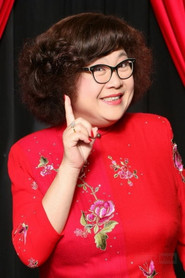
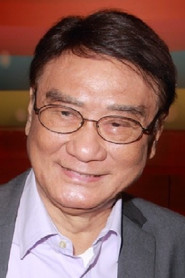
The film features legendary actress Lydia Shum Tin-Ha and veteran performer Tam Bing-Man in its leading roles.
Is 满天神佛 (1969) worth watching?
While unrated on IMDb, this vintage comedy-drama offers a charming snapshot of 1960s Hong Kong cinema. Fans of classic comedies and cultural nostalgias may find its playful tone and historical value rewarding.
How long is 满天神佛?
Runtime details are not listed.
满天神佛 (1969): A 1960s Hong Kong Comedy Classic — Full Info
Step back into 1969 with the classic Hong Kong cinema gem 满天神佛 (1969), a cultural snapshot that blends folklore and humor into a lighthearted urban tale. Directed by an unnamed filmmaker from the era, this nostalgic comedy-drama stars the beloved Lydia Shum Tin-Ha and Tam Bing-Man in a story that feels like a warm embrace from old Shanghai. While details about the director's vision remain a mystery, the film's playful tone suggests a celebration of everyday life, where divine blessings and human foibles collide in equal measure. The atmosphere is one of gentle satire, with Shum's charismatic presence and Bing-Man's affable charm weaving a narrative that captures the spirit of a bygone time.
Though genre specifics are lost to time, the film's themes of communal harmony and spiritual curiosity resonate through its lighthearted storytelling. The tagline 'Where gods and mortals share a stage' hints at the film's whimsical approach, blending myth with the mundane. A relic of its era, 满天神佛 (1969) stands as a testament to the enduring appeal of Hong Kong cinema's golden age, offering a glimpse into the past that's as entertaining as it is nostalgic.