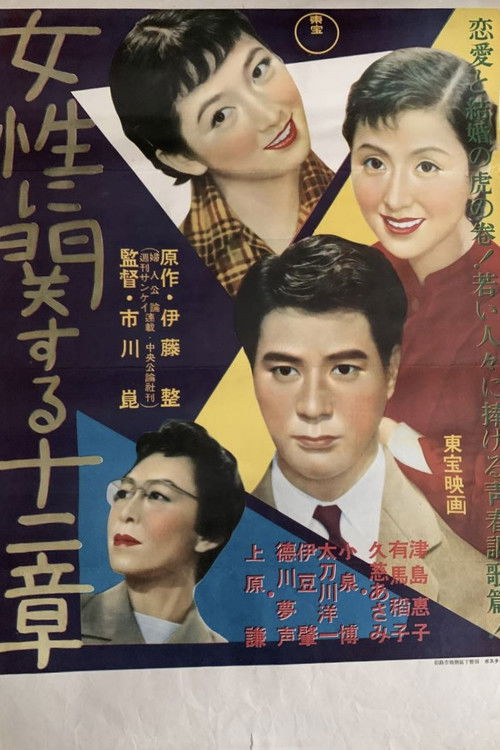
12 Chapters About Women 1954
Directed by the visionary Kon Ichikawa, *12 Chapters About Women* (1954) is a poignant drama that explores the delicate balance between personal dreams and life's unexpected turns.
Director: Kon Ichikawa
Cast

Keiko Tsushima
Minako Atsuka
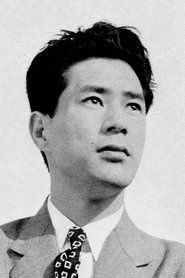
Hiroshi Koizumi
Go Koheita
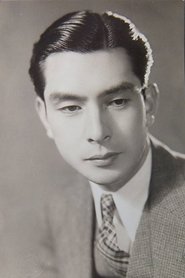
Ken Uehara
Kurumada Tatsuo

Ineko Arima
Sanshi Seneri
Asami Kuji
Kuraishi Sode
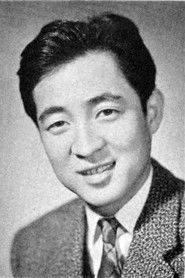
Hiroshi Tachikawa
Rokurobe Watanabe
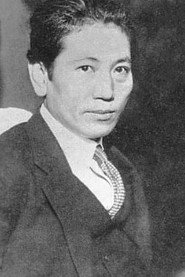
Musei Tokugawa
Go Heita
Eiko Miyoshi
Go Hamako
Sumiko Koizumi
Hatsuko Ohtori
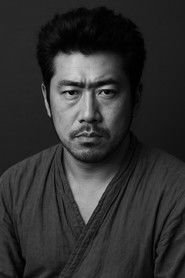
Hajime Izu
Corporal Tokugawa
Frequently Asked Questions
What is *12 Chapters About Women* (1954) about?
The film follows Minako, a ballerina in a long-term relationship with Koheta, a banker about to marry her after his promotion. Just as their future seems secure, a sudden health crisis upends Minako's life, forcing both to reevaluate their dreams and the meaning of commitment.
Who directed *12 Chapters About Women*?
Kon Ichikawa, a master of Japanese cinema known for his ability to blend drama with deep emotional insight, directed this reflective 1954 film.
Who stars in *12 Chapters About Women*?
The film features standout performances from Keiko Tsushima as Minako, Hiroshi Koizumi as Koheta, Ken Uehara, Ineko Arima, and Asami Kuji.
Is *12 Chapters About Women* (1954) worth watching?
For fans of classic dramas with emotional depth and subtle storytelling, *12 Chapters About Women* is absolutely worth your time. Ichikawa's direction and the strong performances create a film that's as thought-provoking as it is tender, offering a snapshot of mid-century Japan through a deeply personal lens.
How long is *12 Chapters About Women*?
The runtime for *12 Chapters About Women* is 87 minutes.
About 12 Chapters About Women (1954) — A Ballet Dancer's Love Story Meets Fate's Twist
Directed by the visionary Kon Ichikawa, *12 Chapters About Women* (1954) is a poignant drama that explores the delicate balance between personal dreams and life's unexpected turns. The film centers on Minako, a passionate ballerina locked in a long-term relationship, and Koheta, a steady banker on the cusp of a promotion and marriage. Just as their futures seem set, a sudden and mysterious change in Minako's health forces them to confront the fragility of their plans and the resilience of their bond. With subtle performances and Ichikawa's keen eye for emotional nuance, the film transforms a private dilemma into a universal meditation on love, sacrifice, and the quiet revolutions that shape our lives.
Set against the backdrop of post-war Japan, the story unfolds with a quiet intensity, blending tender moments with understated tension. The themes of duty versus desire and the unspoken pressures of societal expectations linger long after the final frame, leaving viewers to reflect on their own choices. Whether you're drawn to classic cinema or stories of quiet emotional power, this 87-minute gem from 1954 offers a deeply moving experience that lingers like the last notes of a ballet performance.