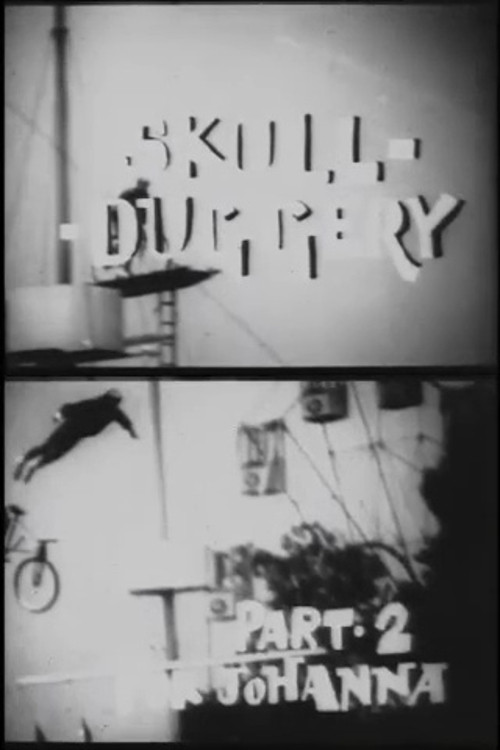
Skullduggery 1962
Dive into the rebellious world of *Skullduggery (1962)*, Stan VanDerBeek's audacious five-minute animated short that bristles with sharp social critique.
Director: Stan VanDerBeek
Frequently Asked Questions
What is Skullduggery (1962) about?
This experimental animated short channels its energy into a scathing critique of the ruling class, using surreal visuals to challenge societal norms. Its abstract storytelling and rebellious tone make it a standout in 1960s avant-garde cinema.
Who directed Skullduggery?
Stan VanDerBeek directed this short film, known for his innovative and boundary-pushing work in experimental animation.
Who stars in Skullduggery?
Cast details for *Skullduggery (1962)* are not publicly listed.
Is Skullduggery (1962) worth watching?
Though unrated on IMDb, *Skullduggery (1962)* offers a fascinating glimpse into the experimental animation of its era. Its thematic boldness and concise runtime make it a compelling watch for fans of avant-garde cinema, even if it's not for everyone.
How long is Skullduggery?
The runtime of *Skullduggery (1962)* is approximately 5 minutes.
About Skullduggery (1962) — Stan VanDerBeek's bite-sized animated satire uncovered
Dive into the rebellious world of *Skullduggery (1962)*, Stan VanDerBeek's audacious five-minute animated short that bristles with sharp social critique. This avant-garde gem skewers the entrenched power structures of its era with a subversive wit, blending experimental animation techniques to deliver a biting satire. The film's abstract visuals and layered symbolism create an atmosphere that feels both playful and provocative, inviting viewers to question authority through its surreal lens.
As a cornerstone of 1960s experimental animation, *Skullduggery (1962)* stands out for its fearless approach to storytelling. While specifics about the cast remain elusive, the director's bold vision and the film's thematic depth resonate with audiences drawn to unconventional cinema. Its brevity belies its impact, offering a condensed yet potent critique of the ruling class that lingers long after the credits roll.