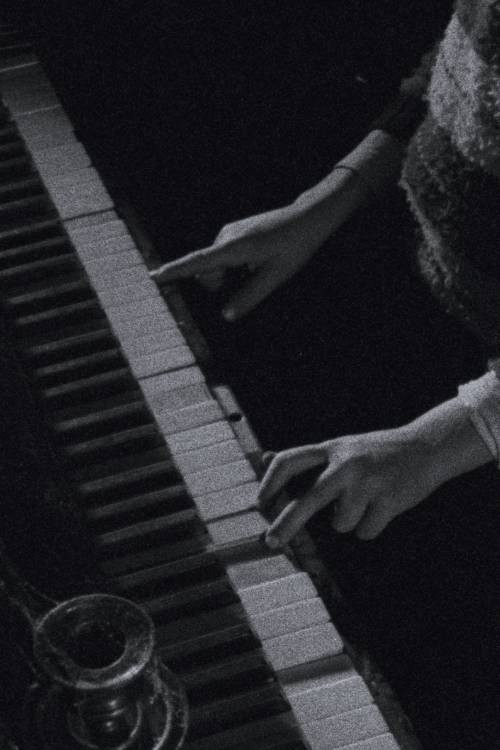
O Piano 1975
A quietly powerful drama from Portugal, *O Piano (1975)* unfolds against the backdrop of Lisbon's post-revolutionary soul-searching.
Director: Sinde Filipe
Frequently Asked Questions
What is O Piano (1975) about?
*O Piano* follows the journey of a man who carries a cherished piano through Lisbon's shifting streets during the 1974 Carnation Revolution. The instrument becomes a bridge between past and present, sparking memories and conversations that challenge both personal and political boundaries. It's a story of reconnection in a time of upheaval.
Who directed O Piano?
O Piano was directed by Sinde Filipe, a filmmaker known for his thoughtful exploration of Portuguese society during pivotal historical moments.
Who stars in O Piano?
The cast includes key Portuguese actors such as Mário Viegas, Eunice Muñoz, and José Viana, delivering performances that anchor the film's emotional depth.
Is O Piano (1975) worth watching?
While O Piano lacks a broad international profile, its quiet intensity and historical resonance make it compelling for fans of arthouse cinema and Portuguese cultural narratives. The film's themes of memory and transition give it lasting relevance, even decades after its release.
How long is O Piano?
Runtime details are not listed.
About O Piano (1975) — The quiet power of music in post-revolutionary Portugal
A quietly powerful drama from Portugal, *O Piano (1975)* unfolds against the backdrop of Lisbon's post-revolutionary soul-searching. Directed by Sinde Filipe, the film weaves a subtle narrative where a well-travelled piano becomes more than an instrument—it becomes a silent witness to personal and political upheaval. The story shifts between intimate domestic moments and broader societal shifts, painting a portrait of resilience and rediscovery during a time of uncertainty. With quiet visuals and understated performances, the film captures the essence of 1970s Portugal, where music and memory intertwine to reflect the nation's awakening conscience.
The atmosphere is contemplative, blending melancholy with gentle hope. Through its restrained storytelling, *O Piano* invites viewers to reflect on the role of art in times of change, making it a poignant viewing experience for fans of slow-burn cinema. The piano itself, central to the narrative, symbolizes both tradition and transformation—echoing the chords of a society learning to play a new tune after decades of silence.