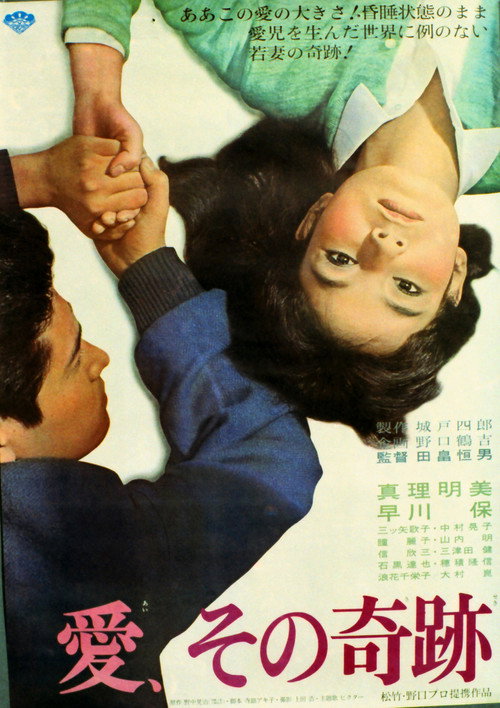
Ai, sono kiseki 1964
Dive into the 1964 Japanese drama *Ai, sono kiseki*, directed by Tsuneo Tabata, as it weaves a poignant tale of love, fate, and human connections against the backdrop of post-war Japan.
Director: Tsuneo Tabata
Cast




Frequently Asked Questions
What is *Ai, sono kiseki* (1964) about?
This 1964 Japanese drama explores the intertwined lives of characters in a post-war society, where love and fate collide. The title, translating to 'Love, a Miracle,' hints at the transformative power of human connections and the unexpected turns life can take.
Who directed *Ai, sono kiseki*?
Tsuneo Tabata directed *Ai, sono kiseki* (1964), bringing a nuanced perspective to the film's emotional and thematic layers.
Who stars in *Ai, sono kiseki*?
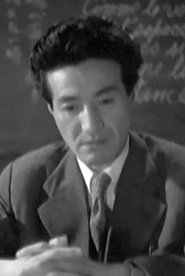
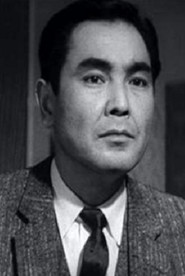
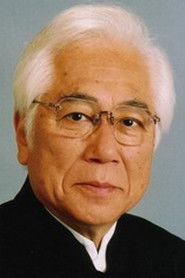
The film features a compelling cast including Tamotsu Hayakawa, Akemi Mari, Ken Mitsuda, Akira Yamanouchi, and Utako Mitsuya.
Is *Ai, sono kiseki* (1964) worth watching?
*Ai, sono kiseki* is a hidden gem for fans of introspective, character-driven dramas. While not widely known internationally, its themes of love and destiny offer a rewarding experience for those seeking depth in 1960s cinema. The film's atmospheric storytelling makes it a memorable watch.
How long is *Ai, sono kiseki*?
*Ai, sono kiseki* runs for 95 minutes.
Ai, sono kiseki (1964): A Poignant Japanese Drama About Miracles and Love
Dive into the 1964 Japanese drama *Ai, sono kiseki*, directed by Tsuneo Tabata, as it weaves a poignant tale of love, fate, and human connections against the backdrop of post-war Japan. The film stars Tamotsu Hayakawa, Akemi Mari, and Ken Mitsuda in a story that explores the delicate threads of destiny and the choices that shape our lives. With its introspective tone and emotional depth, *Ai, sono kiseki* offers a reflective journey into the complexities of relationships, blending nostalgia with quiet intensity.
Set in a period of societal transformation, the narrative follows characters navigating personal and collective upheavals, where every decision feels like a miracle (*kiseki*). Tabata's direction infuses the film with a meditative pace, allowing the audience to linger on the subtleties of human emotion. The interplay of light and shadow, both literal and metaphorical, enhances the film's atmospheric tension, making it a standout in 1960s Japanese cinema.