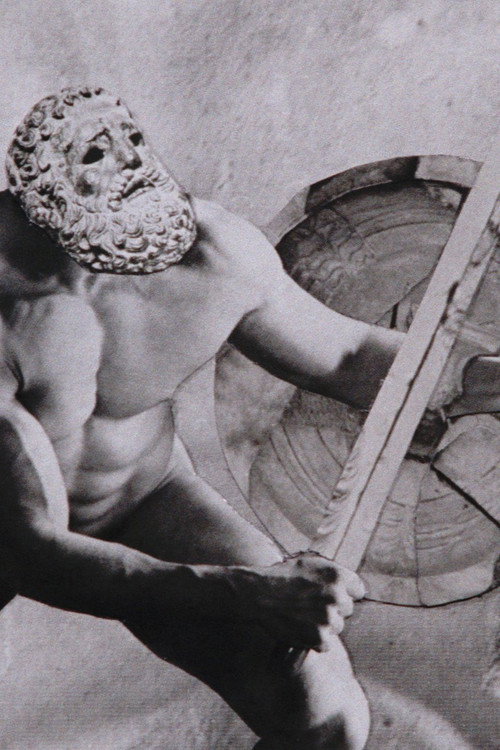
Erinnerung an ein Gespräch 1984
Erinnerung an ein Gespräch (1984), Kurt Weiler's haunting 4-minute animated short, plunges viewers into a philosophical duel between King Pyrrhus and his advisor Kineas.
Director: Kurt Weiler
Cast
Frequently Asked Questions
What is Erinnerung an ein Gespräch (1984) about?
This animated short explores the consequences of unchecked ambition through a dialogue between King Pyrrhus and his advisor Kineas, set in a future where their conquests have left the earth desolate and lifeless. The film questions what remains when absolute power is achieved.
Who directed Erinnerung an ein Gespräch?
Kurt Weiler directed Erinnerung an ein Gespräch. His work is known for blending philosophical themes with experimental animation techniques.
Who stars in Erinnerung an ein Gespräch?
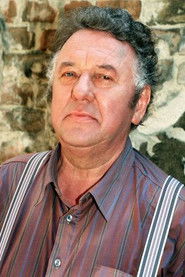
The film features Kurt Böwe in the central role of King Pyrrhus.
Is Erinnerung an ein Gespräch (1984) worth watching?
While Erinnerung an ein Gespräch is a niche animated short with no IMDb rating, its striking visuals and philosophical depth make it a compelling watch for fans of abstract cinema and allegorical storytelling.
How long is Erinnerung an ein Gespräch?
Erinnerung an ein Gespräch has a runtime of 4 minutes.
About Erinnerung an ein Gespräch (1984) — A haunting 4-minute animated allegory of power and emptiness
Erinnerung an ein Gespräch (1984), Kurt Weiler's haunting 4-minute animated short, plunges viewers into a philosophical duel between King Pyrrhus and his advisor Kineas. Through stark, minimalist animation, the film visualizes their chilling conversation about the relentless pursuit of world domination. As conquest after conquest leaves the earth barren and lifeless, the two figures find themselves as the sole survivors, grappling with an eerie emptiness that follows absolute power. Themes of ambition, consequence, and existential reflection permeate this dense, allegorical work, creating an atmosphere that lingers long after the credits roll.
Weiler's avant-garde approach blends philosophical depth with a stark, almost surreal visual style. The dialogue—never shown, only implied—hints at the futility of unchecked ambition, painting a bleak yet thought-provoking portrait of what remains when the world is finally won.