Pianissimo 1963
Step into the hypnotic world of *Pianissimo (1963)*, a mesmerizing experimental animated short crafted by visionary director Carmen D'Avino.
Director: Carmen D'Avino
Frequently Asked Questions
What is Pianissimo (1963) about?
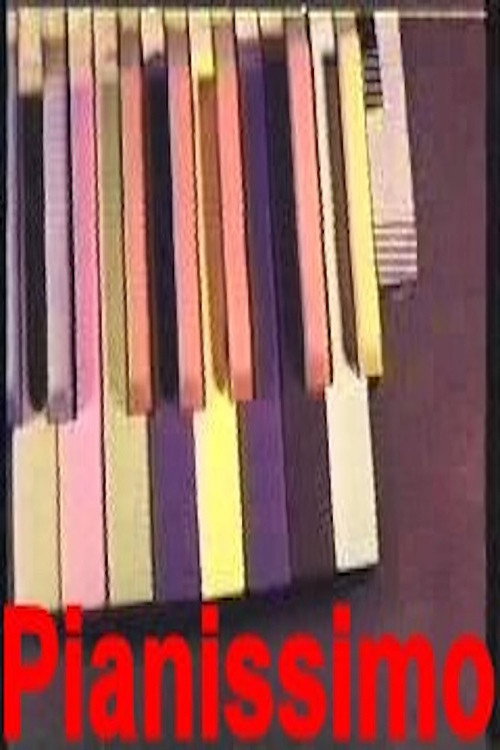
*Pianissimo* turns a piano into a living artwork, where its keys, hammers, and moving parts are bathed in vivid colors as they interact with a melodic tune. The short film reimagines an everyday instrument as a hypnotic, kinetic spectacle, merging sound and visual rhythm into a seamless experience.
Who directed Pianissimo?
Carmen D'Avino directed *Pianissimo*. Known for his innovative experimental animations, D'Avino crafted this short as part of his signature exploration of art, music, and motion.
Who stars in Pianissimo?
Cast details for *Pianissimo* are not publicly listed, reflecting its status as an abstract animated short rather than a narrative-driven film.
Is Pianissimo (1963) worth watching?
For fans of experimental animation and visual music, *Pianissimo* is absolutely worth watching. Its six-minute runtime delivers a concentrated dose of creativity, offering a unique blend of artistry and minimalism that stands out even decades later.
How long is Pianissimo?
*Pianissimo* runs for 6 minutes.
About Pianissimo (1963) — A Dazzling Animated Short Where Music Comes Alive in Color
Step into the hypnotic world of *Pianissimo (1963)*, a mesmerizing experimental animated short crafted by visionary director Carmen D'Avino. This six-minute avant-garde film transforms a simple piano into a living, colorful canvas where keys, hammers, and mechanical components pulse with vibrant hues, syncing to a haunting melody. The result is a surreal symphony of shapes and sounds, blending music and motion into a visually poetic experience that lingers long after the final note fades.
Pianissimo isn't just an animation—it's a sensory journey. By isolating the piano's inner workings and illuminating them with vivid colors, D'Avino turns mechanical precision into artistry, creating a film that feels both futuristic and timeless. Preserved by the Academy Film Archive in 2007, this understated masterpiece invites viewers to rediscover the beauty in the mundane, proving that even the simplest instruments can produce extraordinary magic when viewed through an innovative lens.