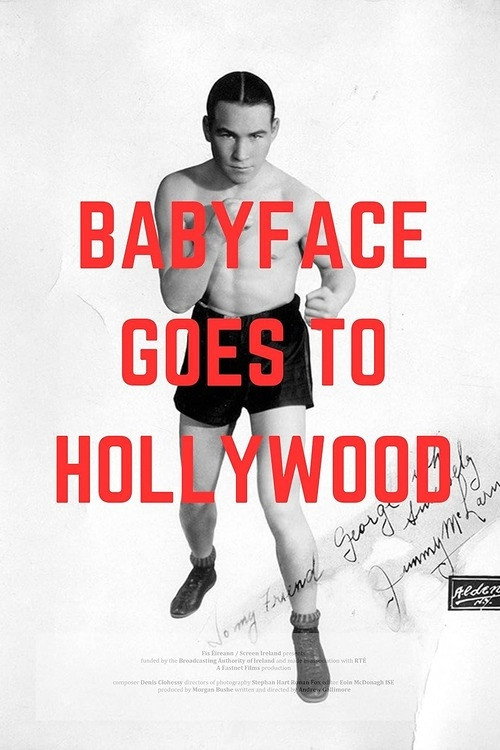
Babyface Goes to Hollywood 2008
Dive into the thrilling rise of Jimmy McLarnin, the Irish boxing legend known as 'The Babyfaced Assassin,' in *Babyface Goes to Hollywood (2008)*.
Director: Andrew Gallimore
Cast
Frequently Asked Questions
What is Babyface Goes to Hollywood (2008) about?
This documentary follows Jimmy McLarnin, an Irish boxer nicknamed 'The Babyfaced Assassin,' who rose from humble beginnings in County Down to become a two-time welterweight world champion. The film explores his battles inside and outside the ring, including the controversies that defined his career.
Who directed Babyface Goes to Hollywood?
Australian filmmaker Andrew Gallimore directed this documentary, bringing McLarnin's story to life with a mix of historical footage and narrative flair.
Who stars in Babyface Goes to Hollywood?
The documentary features commentary from boxing historian Douglas Century and writer Budd Schulberg, alongside rare interviews and archival material.
Is Babyface Goes to Hollywood (2008) worth watching?
With its compelling narrative and rare footage, *Babyface Goes to Hollywood* is a must-watch for boxing fans and history buffs alike. The film's depth and Gallimore's direction make it a standout in the sports documentary genre, even without an IMDb rating.
How long is Babyface Goes to Hollywood?
The documentary runs for 80 minutes, offering a concise yet immersive journey through McLarnin's life and career.
About Babyface Goes to Hollywood (2008) — The Forgotten Legend of Jimmy McLarnin
Dive into the thrilling rise of Jimmy McLarnin, the Irish boxing legend known as 'The Babyfaced Assassin,' in *Babyface Goes to Hollywood (2008)*. Directed by Andrew Gallimore, this gripping documentary unearths the forgotten story of a journeyman brawler from County Down who fought his way to welterweight world titles in the 1940s.
Blending rare and previously unseen archive footage with vivid storytelling, Gallimore captures the drama, controversy, and raw intensity of McLarnin's career. The film doesn't just recount his victories—it immerses viewers in an era when boxing was as much about passion as it was about power, painting a portrait of a fighter whose legacy resonates far beyond the ring.