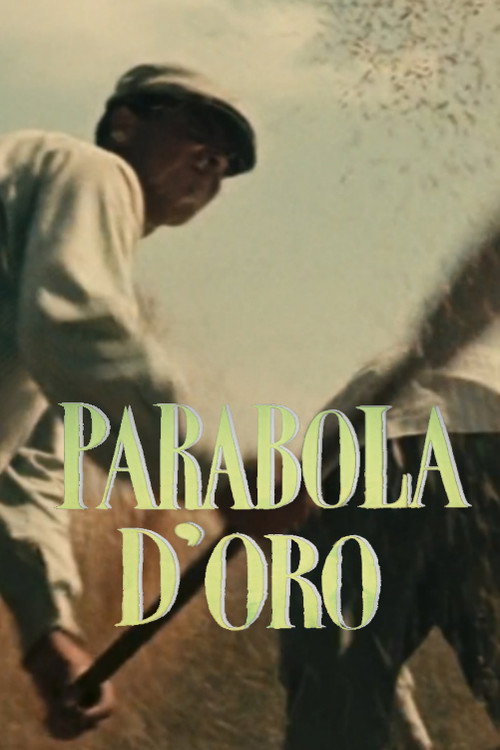
Golden Parable 1955
Golden Parable (1955), directed by the visionary Italian filmmaker Vittorio De Seta, transports viewers to the sun-drenched wheat fields of Sicily for a poetic glimpse into the timeless rituals of harvest season.
Director: Vittorio De Seta
Frequently Asked Questions
What is Golden Parable (1955) about?
Golden Parable (1955) immerses viewers in the quiet yet vibrant world of Sicilian farmers as they navigate the harvest season, showcasing the age-old traditions and rhythms of rural life. Through stunning visuals and subtle storytelling, the film transforms the act of harvesting wheat into a poetic meditation on nature's cycles and human endurance.
Who directed Golden Parable?
Golden Parable (1955) was directed by Vittorio De Seta, a celebrated Italian filmmaker known for his evocative documentaries that capture the essence of rural Italian life with authenticity and artistry.
Who stars in Golden Parable?
Director information is not available.
Is Golden Parable (1955) worth watching?
As a short documentary brimming with visual poetry and cultural depth, Golden Parable (1955) offers a unique viewing experience for those who appreciate lyrical filmmaking and authentic depictions of rural traditions. While it may not have mainstream appeal, its artistic merit and historical significance make it a compelling watch for niche audiences.
How long is Golden Parable?
Golden Parable (1955) has a runtime of 11 minutes.
About Golden Parable (1955) — A Lyrical Portrait of Sicilian Harvest Rituals
Golden Parable (1955), directed by the visionary Italian filmmaker Vittorio De Seta, transports viewers to the sun-drenched wheat fields of Sicily for a poetic glimpse into the timeless rituals of harvest season. Shot amidst the golden waves of ripening flax, this short documentary captures the raw beauty and labor-intensive traditions of Sicilian farmers as they gather their crops under the watchful eyes of nature and tradition. The film's meditative pace and breathtaking visuals transform an everyday agricultural cycle into a visual symphony, celebrating the harmony between humanity and the land. With minimal dialogue and a focus on authentic moments, De Seta crafts a quiet yet powerful tribute to rural life, blending documentary realism with lyrical artistry.
This understated gem offers more than just a historical snapshot—it's a meditative experience that invites reflection on the cycles of nature and the enduring spirit of those who work the earth. Golden Parable (1955) stands as a testament to De Seta's ability to find the extraordinary in the ordinary, making it a must-watch for fans of poetic cinema and authentic cultural documentation.