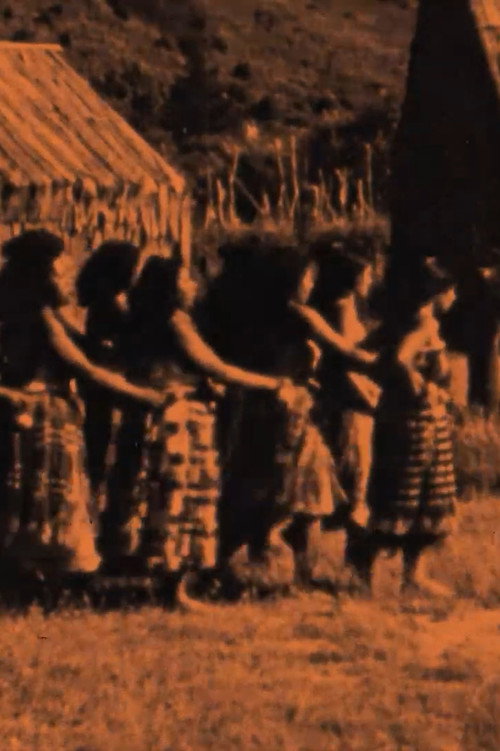
Maori Days 1934
Step back to 1934 with the rare silent documentary Maori Days, a vivid 11-minute glimpse into Aotearoa's Māori heritage.
Director: NZ Government Tourist and Publicity Department
Frequently Asked Questions
What is Maori Days (1934) about?
This 11-minute silent film offers a captivating look at traditional Māori textile artistry, focusing on the weaving of harakeke (flax) and the handcrafting of a piupiu skirt. The hand-tinted visuals preserve a fleeting moment of cultural practice from early 20th-century New Zealand.
Who directed Maori Days?
Director information is not available.
Who stars in Maori Days?
Cast details for Maori Days (1934) are not listed, as it was produced as a government-backed documentary short rather than a feature film.
Is Maori Days (1934) worth watching?
While limited in length and unrated, Maori Days (1934) is a valuable historical piece for those interested in early New Zealand cinema, silent film aesthetics, or Māori cultural heritage. Its rarity and hand-tinted visuals give it niche appeal beyond mainstream audiences.
How long is Maori Days?
The film runs for 11 minutes.
About Maori Days (1934) — Hand-Tinted Silent Film Showing Māori Weaving Traditions
Step back to 1934 with the rare silent documentary Maori Days, a vivid 11-minute glimpse into Aotearoa's Māori heritage. Shot in delicate hand-tinted tones, this short film preserves a fleeting moment of cultural craftsmanship, showcasing the intricate art of harakeke weaving and the rhythmic creation of a piupiu skirt. The atmospheric visuals transport viewers to a quieter era, where tradition and artistry are captured in motion for the first time by New Zealand's Government Tourist and Publicity Department. Its silent-era charm and scarcity make it a fascinating artifact for historians and cinephiles alike.
Maori Days (1934) isn't just a time capsule—it's a quiet celebration of resilience and identity. The film's rare hand-tinted sequences lend an almost dreamlike quality, turning everyday craft into cinematic poetry. While the title may sound like a travelogue, it's a deeply localized portrait, one that invites modern audiences to reflect on the enduring beauty of Māori culture and the pioneering spirit of early filmmaking in New Zealand.