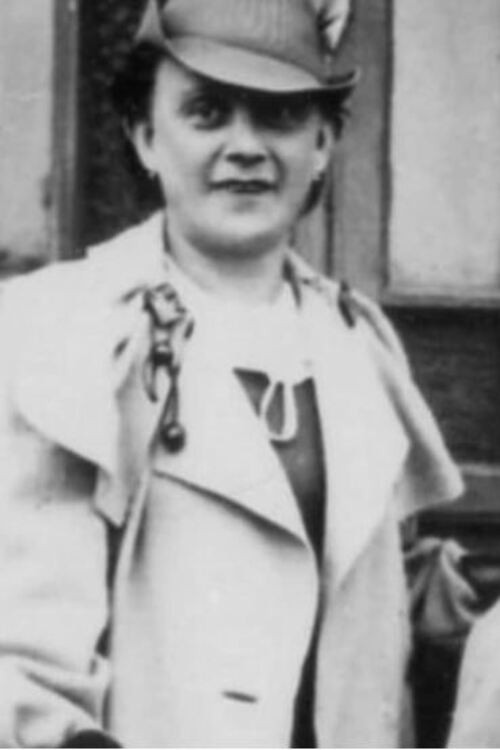
Food For Love (A Shtetl That's No Longer There) 2004
In *Food For Love (A Shtetl That's No Longer There)* (2004), Dutch filmmaker Heddy Honigmann crafts a delicate documentary that blends personal memory with culinary tradition.
Director: Heddy Honigmann
Frequently Asked Questions
What is *Food For Love (A Shtetl That's No Longer There)* (2004) about?
This documentary follows filmmaker Heddy Honigmann as she revisits her mother's kitchen, where a simple Yiddish dish becomes a lens into the family's history and a vanished Jewish community. It's a tender exploration of memory, displacement, and the flavors that outlast time.
Who directed *Food For Love (A Shtetl That's No Longer There)*?
The film was directed by Heddy Honigmann, a celebrated Dutch documentary filmmaker known for her intimate, human-centered storytelling.
Who stars in *Food For Love (A Shtetl That's No Longer There)*?
The film features Heddy Honigmann alongside her mother, with the documentary focusing on their personal and cultural connection rather than a traditional cast.
Is *Food For Love (A Shtetl That's No Longer There)* (2004) worth watching?
At just 25 minutes, this short documentary offers a rich, emotional experience for fans of personal, reflective cinema. While it lacks a wide audience, its themes of heritage and memory make it a rewarding watch for those seeking thought-provoking storytelling in documentary form.
How long is *Food For Love (A Shtetl That's No Longer There)*?
The runtime for *Food For Love (A Shtetl That's No Longer There)* is 25 minutes.
About Food For Love (A Shtetl That's No Longer There) (2004) — A short documentary on food, family, and forgotten pasts
In *Food For Love (A Shtetl That's No Longer There)* (2004), Dutch filmmaker Heddy Honigmann crafts a delicate documentary that blends personal memory with culinary tradition. As her mother prepares a cherished Yiddish dish, Honigmann weaves together flavors, stories, and the fading echoes of a lost shtetl life. The 25-minute short film captures a poignant snapshot of heritage, where food becomes a vessel for nostalgia and connection. With a gentle, observational tone, Honigmann explores the threads that bind family, history, and identity in this bittersweet reflection on displacement and memory.
The documentary unfolds like a quiet conversation between generations, where every ingredient and anecdote reveals more about the past than the present. Through subtle visuals and understated storytelling, *Food For Love* transforms a simple meal into a powerful metaphor for cultural preservation. Some scenes linger on the textures of food and the warmth of home, while others hint at the absence of a world that once was—creating an atmosphere of tender melancholy.