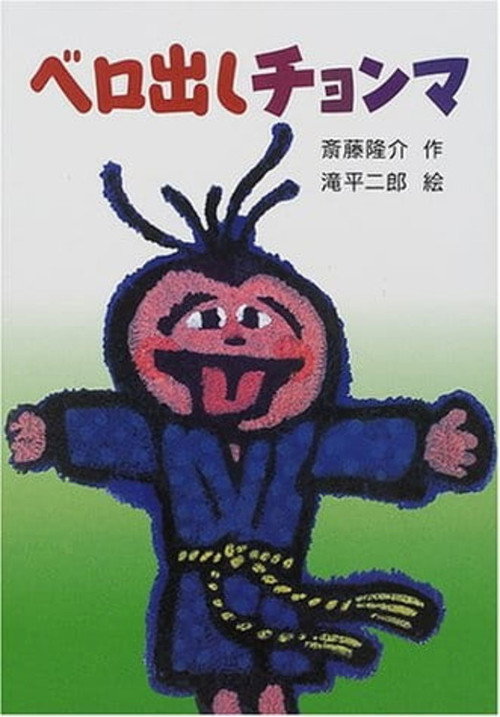
Chonma Sticks His Tongue Out 1987
Based on a thought-provoking novel by Ryusuke Saito, Chonma Sticks His Tongue Out (1987) takes viewers back in time to the Edo period, where a group of oppressed farmers dare to dream of a better life.
Director: Kimio Yabuki
Frequently Asked Questions
What is Chonma Sticks His Tongue Out (1987) about?
This animated drama explores the lives of oppressed farmers in the Edo period who dare to dream of a better life, only to face crucifixion.
Who directed Chonma Sticks His Tongue Out?
Kimio Yabuki directed Chonma Sticks His Tongue Out, bringing a thoughtful perspective to this historical drama.
Who stars in Chonma Sticks His Tongue Out?
Unfortunately, the main cast of Chonma Sticks His Tongue Out is not publicly available.
Is Chonma Sticks His Tongue Out (1987) worth watching?
While its IMDb rating may be unknown, Chonma Sticks His Tongue Out's poignant message and historical context make it a compelling watch for fans of animated family dramas.
How long is Chonma Sticks His Tongue Out?
Chonma Sticks His Tongue Out has a runtime of 15 minutes.
Chonma Sticks His Tongue Out (1987): A Historical Animated Drama — Full Movie Info
Based on a thought-provoking novel by Ryusuke Saito, Chonma Sticks His Tongue Out (1987) takes viewers back in time to the Edo period, where a group of oppressed farmers dare to dream of a better life. Directed by Kimio Yabuki, this 15-minute educational animation delves into themes of hope and resilience in the face of overwhelming adversity. With its poignant message and historical context, Chonma Sticks His Tongue Out is a powerful reminder of the importance of perseverance and determination.
As an animated family drama, this film offers a unique blend of entertainment and education, making it an engaging watch for audiences of all ages. With its short runtime and impactful storytelling, Chonma Sticks His Tongue Out (1987) is a compelling addition to any film collection.
While director Kimio Yabuki's other works may be lesser known, his vision for this film shines through in its thoughtful exploration of a pivotal moment in Japanese history.