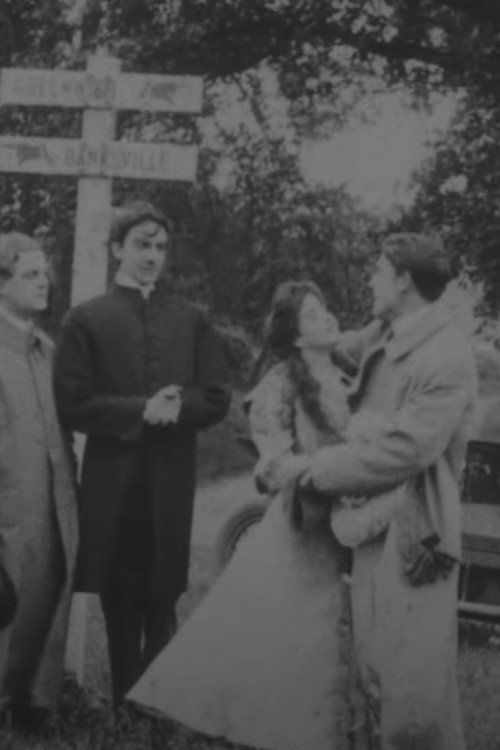
A Change of Heart 1909
D.W. Griffith's early silent drama *A Change of Heart (1909)* explores the stark contrast between city and country life through a deceptive romance that spirals into heartbreak and redemption.
Director: D.W. Griffith
Cast

Frequently Asked Questions
What is *A Change of Heart (1909)* about?
This early silent drama follows Howard Norris, a city-bound man who manipulates a young farmer's daughter into leaving home with false marriage promises. When she discovers the truth, her heartbreak drives her back to the countryside, forcing Norris to confront his own reckless lifestyle and seek redemption.
Who directed *A Change of Heart*?
D.W. Griffith, a pioneer of American cinema and a filmmaker renowned for shaping silent-era storytelling techniques.
Who stars in *A Change of Heart*?
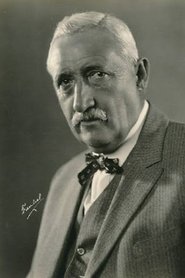
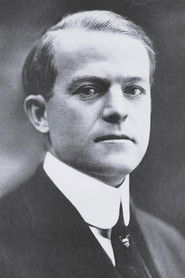
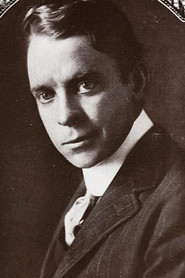
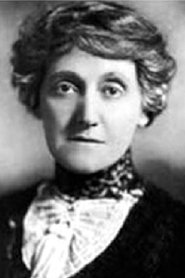
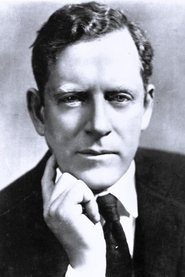
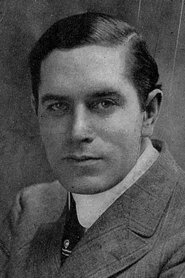
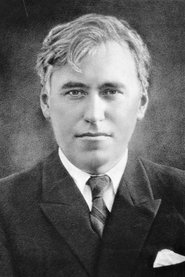
The film stars Owen Moore, George Nichols, Billy Quirk, Edward Dillon, and Kate Bruce in key roles.
Is *A Change of Heart (1909)* worth watching?
As an early silent film by D.W. Griffith, *A Change of Heart* offers a fascinating glimpse into 1909 cinema's moral storytelling. While its themes and style may feel dated, its compact runtime and dramatic tension provide value for silent film enthusiasts and historians.
How long is *A Change of Heart*?
The film runs for 13 minutes.
🎥 Trailer
About A Change of Heart (1909) — A Silent-Era Drama of Deceit and Redemption
D.W. Griffith's early silent drama *A Change of Heart (1909)* explores the stark contrast between city and country life through a deceptive romance that spirals into heartbreak and redemption. A wealthy urbanite, Howard Norris, lures a young farmer's daughter to the city with hollow promises of marriage, orchestrating a sham wedding ceremony. When she uncovers the truth, her devastation sends her fleeing back home, leaving Norris to confront the consequences of his deception. The film captures the moral decay of urban excess, from lavish drinking parties to the hypocrisy of broken promises, while contrasting it with the simplicity and integrity of rural life. Griffith's direction infuses the 13-minute short with emotional intensity, using stark visual storytelling to highlight themes of regret, societal pressures, and the gulf between appearances and reality.
The narrative takes a redemptive turn as Norris, confronted by his mother, abandons his hedonistic lifestyle and seeks redemption. This sudden shift—from reckless indulgence to a puritanical awakening—adds a layer of moral ambiguity, questioning whether true change is possible or merely performative. The film's intimate scale and raw emotional beats reflect the limitations and ambitions of early cinema, showcasing Griffith's knack for blending social commentary with personal drama.