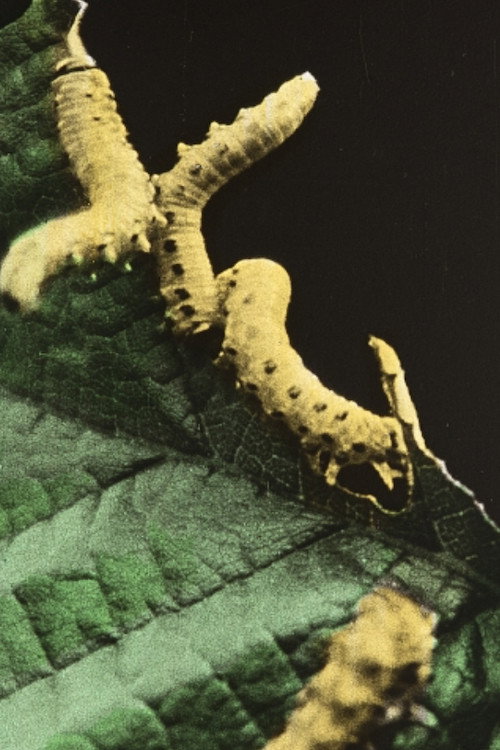
The Destroyers of Our Gardens 1916
Step into the fascinating world of early 20th-century cinema with *The Destroyers of Our Gardens* (1916), a charming silent documentary that showcases the hidden lives of caterpillars through revolutionary macro photography.
Frequently Asked Questions
What is The Destroyers of Our Gardens (1916) about?
This silent documentary explores the feeding habits of caterpillars through pioneering macro photography, offering viewers a rare, up-close look at these tiny creatures in their natural environment. Originally released in France, the film blends education and visual playfulness to create an engaging short film.
Who directed The Destroyers of Our Gardens?
Director information is not available.
Who stars in The Destroyers of Our Gardens?
As a documentary, the film features no traditional cast, but it prominently showcases various species of caterpillars through its innovative cinematography.
Is The Destroyers of Our Gardens (1916) worth watching?
While it's a short documentary with no IMDb rating, *The Destroyers of Our Gardens* offers historical and educational value for fans of early cinema and nature documentaries. Its unique visual style and scientific focus make it a charming time capsule worth exploring.
How long is The Destroyers of Our Gardens?
The runtime details are listed as 5 minutes.
About The Destroyers of Our Gardens (1916) — A Silent 1916 Documentary on Caterpillar Feeding Habits
Step into the fascinating world of early 20th-century cinema with *The Destroyers of Our Gardens* (1916), a charming silent documentary that showcases the hidden lives of caterpillars through revolutionary macro photography. Released in France under its original French title and later distributed in the U.S. as *The Caterpillar*, this five-minute short film offers an intimate glimpse into the feeding habits of these often-overlooked creatures.
With its vibrant visuals and educational focus, *The Destroyers of Our Gardens* (1916) is a testament to Pathé Frères' commitment to documentary storytelling, blending science and art in a way that feels both nostalgic and groundbreaking. The film's close-up shots transform tiny, everyday insects into mesmerizing subjects, making it a must-see for fans of early cinema and nature documentaries alike.