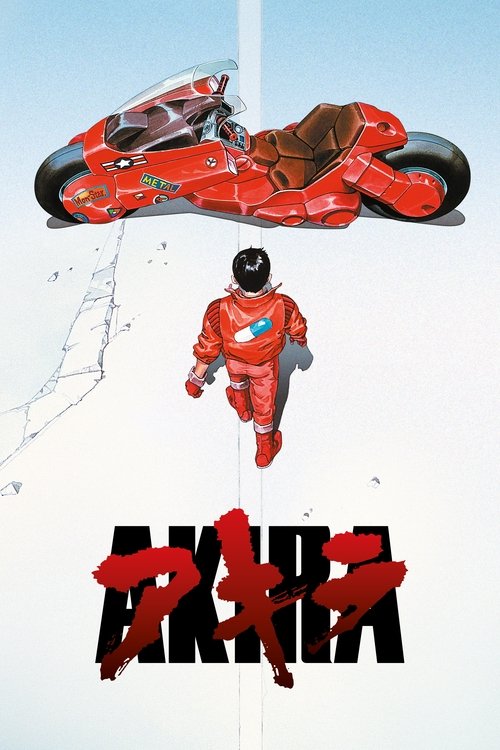
Akira 1988
"Neo-Tokyo is about to E.X.P.L.O.D.E."
Set in a post-apocalyptic Neo-Tokyo, Akira (1988) by Katsuhiro Otomo is a thought-provoking anime that delves into the consequences of unchecked scientific advancements.
Director: Katsuhiro Otomo
Cast

Mitsuo Iwata
Shotaro Kaneda (voice)

Nozomu Sasaki
Tetsuo Shima (voice)

Mami Koyama
Kei (voice)

Taro Ishida
Colonel Shikishima

Mizuho Suzuki
Doctor Ônishi
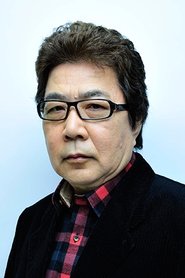
Tessyo Genda
Ryûsaku (voice)

Koichi Kitamura
Priestess Miyako / Council A (voice)

Yuriko Fuchizaki
Kaori (voice)

Masaaki Okura
Yamagata (voice)

Takeshi Kusao
Kai (voice)
Frequently Asked Questions
What is Akira (1988) about?
Akira is a post-apocalyptic anime that explores the consequences of a secret military project gone wrong, as a biker gang member's psychic abilities are unleashed, threatening the city of Neo-Tokyo.
Who directed Akira?
Katsuhiro Otomo directed Akira, bringing his unique vision to life in this thought-provoking anime.
Who stars in Akira?
The main cast includes Mitsuo Iwata, Nozomu Sasaki, and Mami Koyama.
Is Akira (1988) worth watching?
While not perfect, Akira's gripping narrative, memorable characters, and haunting atmosphere make it a must-watch for fans of science fiction and anime.
How long is Akira?
Akira has a runtime of 124 minutes.
🎥 Trailer
About Akira (1988) — a Psycho-Psychic Thriller that Explores the Consequences of Scientific Hubris
Set in a post-apocalyptic Neo-Tokyo, Akira (1988) by Katsuhiro Otomo is a thought-provoking anime that delves into the consequences of unchecked scientific advancements. The movie takes place in a world where a secret military project has awakened a biker gang member's latent psychic abilities, turning him into a powerful and destructive force. Two teenagers, a group of psychics, and a gripping narrative are all that stand between this monster and the city's destruction.
Akira is an intense blend of science fiction, action, and drama that explores the psychological effects of trauma and the blurred lines between good and evil. With a talented voice cast, including Mitsuo Iwata and Nozomu Sasaki, this classic anime continues to captivate audiences with its haunting atmosphere and memorable characters.
As the city teeters on the brink of chaos, Akira (1988) poses questions about the ethics of scientific experimentation and the true cost of progress. Is it possible to harness human potential without sacrificing individual freedom? Otomo's masterpiece raises important questions and offers a thrilling, emotionally charged ride.