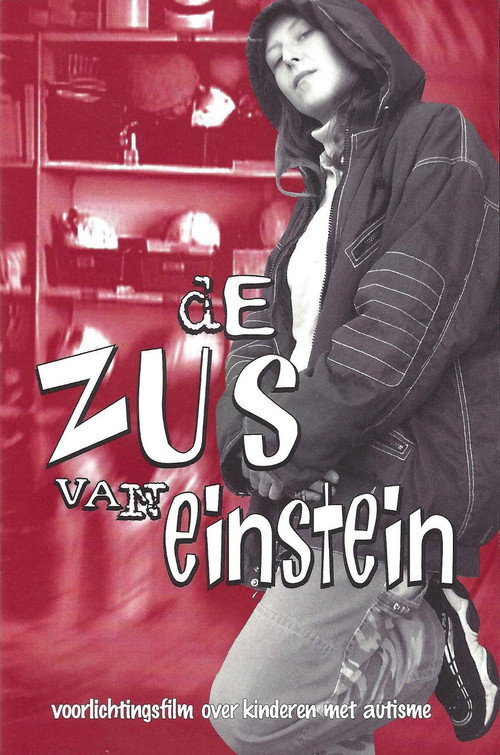
De Zus van Einstein 2003
Step into the thoughtful world of *De Zus van Einstein (2003)*, a compelling 22-minute documentary directed by Pieter van de Langenberg that shines a gentle yet insightful light on autism.
Director: Pieter van de Langenberg
Frequently Asked Questions
What is De Zus van Einstein (2003) about?
This documentary offers a child-friendly introduction to autism, following a young person as they interact with their world and showing how understanding and patience can make a difference. It's both educational and emotionally engaging, perfect for young audiences and curious adults alike.
Who directed De Zus van Einstein?
The film was directed by Pieter van de Langenberg, a filmmaker known for creating accessible and thoughtful educational content.
Who stars in De Zus van Einstein?
Cast details for this film are not publicly listed.
Is De Zus van Einstein (2003) worth watching?
While it's a short documentary designed for educational purposes, its sensitive portrayal of autism makes it a valuable watch for parents, teachers, and anyone interested in neurodiversity. It's not a drama with high stakes, but its gentle impact lingers.
How long is De Zus van Einstein?
*De Zus van Einstein* runs for 22 minutes.
About De Zus van Einstein (2003) — A Touching 22-Minute Documentary on Autism
Step into the thoughtful world of *De Zus van Einstein (2003)*, a compelling 22-minute documentary directed by Pieter van de Langenberg that shines a gentle yet insightful light on autism. Designed as an educational tool for young audiences, the film blends warmth and curiosity to help children—and adults—understand the unique perspectives of those with autism. Through gentle storytelling and engaging visuals, the documentary creates an atmosphere of empathy and discovery, inviting viewers to see differences not as barriers, but as part of the rich tapestry of human experience.
At its core, *De Zus van Einstein (2003)* explores the daily life and challenges of a young person navigating a world that often feels overwhelming. The film balances factual information with emotional resonance, making complex themes accessible without diluting their depth. Whether used in classrooms or watched at home, this short but meaningful documentary serves as a bridge between knowledge and compassion, leaving viewers with a deeper appreciation for neurodiversity and the people who live it every day.