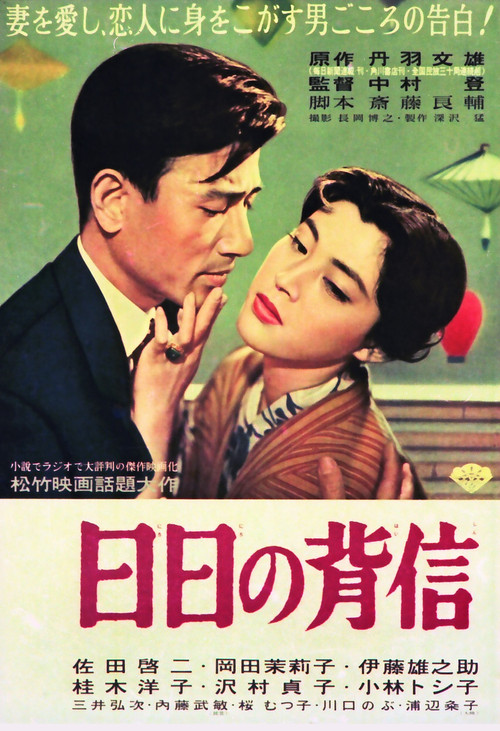
Hibi no haishin 1958
Dive into the emotionally charged world of *Hibi no haishin (1958)*, a poignant Japanese drama directed by Noboru Nakamura that weaves a tale of forbidden love and moral conflict.
Director: Noboru Nakamura
Cast
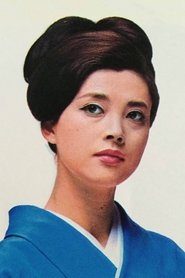
Mariko Okada
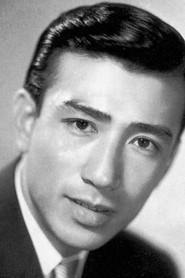
Keiji Sada
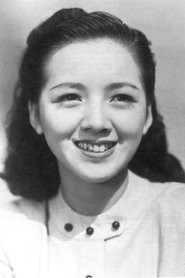
Yōko Katsuragi
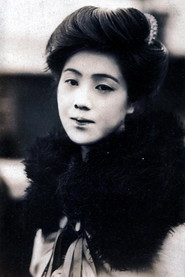
Kumeko Urabe
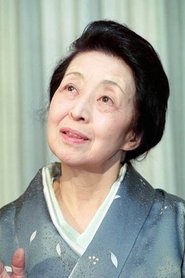
Sadako Sawamura

Yūnosuke Itō

Nobu Kawaguchi

Kiyoshi Kobayashi
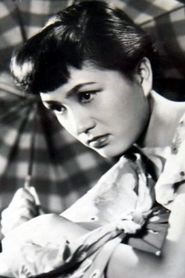
Toshiko Kobayashi
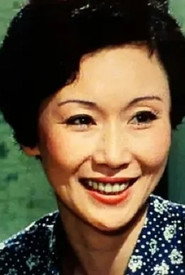
Yōko Machida
Frequently Asked Questions
What is Hibi no haishin (1958) about?
This 1958 drama explores the forbidden romance between a married executive, Hiroyuki, and Ikuko, the mistress of a wealthy jeweler. When their secret meetings at a hot spring deepen their bond, Hiroyuki is torn between his passion for Ikuko and his obligations to his sick wife.
Who directed Hibi no haishin?
Noboru Nakamura directed *Hibi no haishin (1958)*, a film celebrated for its delicate handling of moral dilemmas and human relationships.
Who stars in Hibi no haishin?
The film features Mariko Okada as Ikuko, Keiji Sada as Hiroyuki, and Yōko Katsuragi in pivotal roles, delivering performances that anchor its emotional core.
Is Hibi no haishin (1958) worth watching?
*Hibi no haishin* may not be a blockbuster, but its quiet intensity and thematic depth make it a rewarding experience for fans of classic drama. Nakamura's direction and the cast's nuanced performances elevate it beyond simple romantic tragedy—ideal for viewers who appreciate understated storytelling.
How long is Hibi no haishin?
The runtime of *Hibi no haishin (1958)* is 107 minutes.
About Hibi no haishin (1958) — Forbidden Love in Classic Japanese Cinema
Dive into the emotionally charged world of *Hibi no haishin (1958)*, a poignant Japanese drama directed by Noboru Nakamura that weaves a tale of forbidden love and moral conflict. Set against the backdrop of post-war Japan, the film follows Hiroyuki, a high-ranking executive entangled in a passionate affair with Ikuko, the mistress of a wealthy but ruthless jeweler. Their clandestine meetings at a secluded hot spring become a sanctuary, yet Hiroyuki finds himself paralyzed by duty when his ailing wife's health hangs in the balance. With its delicate balance of romance and drama, this 107-minute gem explores themes of loyalty, sacrifice, and the blurred lines between desire and responsibility.
Nakamura's sensitive direction, paired with standout performances from Mariko Okada and Keiji Sada, crafts an atmosphere of quiet intensity and melancholy. The film's restrained yet evocative storytelling lingers long after the credits roll, making it a must-watch for fans of classic Japanese cinema seeking depth and emotional resonance.