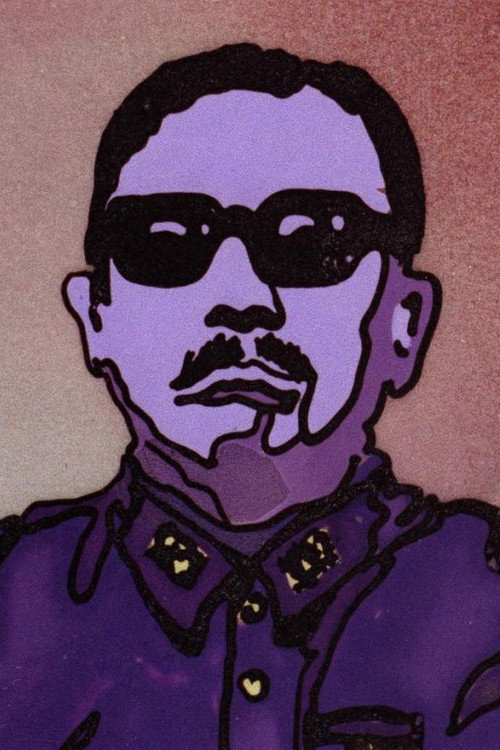
Gruppe "Aparcoa" 1978
Dive into the powerful 1978 documentary *Gruppe "Aparcoa"*, a brief but impactful portrait of the Rostock-based folk ensemble that became a voice for solidarity during Chile's Unidad Popular era.
Director: Jürgen Steinheisser
Frequently Asked Questions
What is Gruppe "Aparcoa" (1978) about?
This 1978 East German documentary celebrates the Rostock folk group Aparcoa, whose songs championed Chile's Unidad Popular movement. Through music and illustrated commentary, it highlights the 1973 coup, U.S. interference, and global calls for solidarity with Chile's progressive ideals.
Who directed Gruppe "Aparcoa"?
Jürgen Steinheisser directed this compact yet stirring documentary, blending music with political storytelling.
Who stars in Gruppe "Aparcoa"?
The cast consists primarily of the Rostock-based folk ensemble Gruppe "Aparcoa", whose members perform original songs central to the film's message.
Is Gruppe "Aparcoa" (1978) worth watching?
As a historical artifact of Cold War-era political art, *Gruppe "Aparcoa" (1978)* offers a compelling snapshot of cultural resistance. While its six-minute runtime is short, its themes of solidarity and social justice resonate strongly, especially for fans of political documentaries and folk music history.
How long is Gruppe "Aparcoa"?
Gruppe "Aparcoa" runs for approximately 6 minutes.
About Gruppe "Aparcoa" (1978) — A 6-Minute Musical Ode to Solidarity in Chile
Dive into the powerful 1978 documentary *Gruppe "Aparcoa"*, a brief but impactful portrait of the Rostock-based folk ensemble that became a voice for solidarity during Chile's Unidad Popular era. Directed by Jürgen Steinheisser, this six-minute film blends music and political urgency, using striking political comics to depict the 1973 junta coup and the U.S. role in undermining progressive movements. The atmosphere crackles with defiance and empathy, as the group's songs echo Chile's struggle and rally support from like-minded communities across the globe.
Though compact in runtime, *Gruppe "Aparcoa" (1978)* pulses with raw emotional and ideological weight, capturing a moment when art became resistance. It's a snapshot of East German cultural engagement during the Cold War, where music and visual storytelling merged to amplify calls for international solidarity with Salvador Allende's vision of social justice. Whether you're a documentary enthusiast or a music history buff, this short film offers a compelling glimpse into how culture can serve as a catalyst for political consciousness.